The Trump administration has announced a new global visa restriction policy aimed at cracking down on individuals involved in cyberscams, sextortion and other cyber-enabled crimes, expanding its efforts to combat transnational criminal networks that target Americans online.
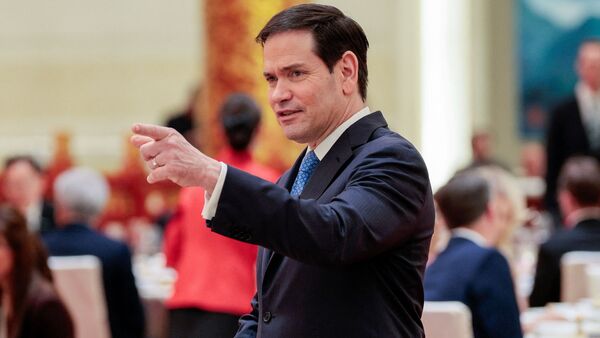
Announcing the policy on July 23, US Secretary of State Marco Rubio said the restrictions are part of a broader strategy to dismantle international cybercrime operations using sanctions, prosecutions, asset seizures, extradition requests and international law enforcement cooperation.
Here’s what the new policy means.
What is the new visa restriction policy?
The new policy authorises the US government to deny visas to foreign nationals responsible for or complicit in cybercrime and cyber-enabled criminal activities.
According to Rubio, the policy is being implemented under Section 212(a)(3)(C) of the US Immigration and Nationality Act, which allows visa restrictions when an individual’s entry into the United States could have adverse foreign policy consequences.
The restrictions cover people involved in:
-Cyberscams
-Online investment fraud
-Sextortion
-Other cyber-enabled criminal activities
Rubio also said immediate family members of those engaged in such crimes may face visa restrictions.
Why has the US introduced the policy?
The State Department said the move follows President Donald Trump’s Executive Order 14390 on combating cybercrime, fraud and predatory schemes targeting American citizens.
According to Rubio, online investment scams have become a growing national security and financial threat.
He said scammers—often allegedly linked to Chinese transnational criminal organisations—defrauded US citizens of at least $10 billion in 2024 while also contributing to money laundering, corruption and human trafficking.
The administration also highlighted the rise in sextortion cases targeting American children, saying overseas-based offenders have caused severe harm to victims and their families.
Who could be affected?
The policy targets individuals who are:
-Responsible for cybercrime
-Complicit in cyber-enabled crime
-Involved in cyberscam operations
-Linked to sextortion schemes
In addition, Rubio said immediate family members of individuals engaged in these criminal activities may also become ineligible for US visas.
The statement does not identify any specific countries or individuals that will be targeted.
How does the US plan to enforce it?
Rubio said visa restrictions are only one part of a broader campaign against international cybercrime.
According to the State Department, the Trump administration will also rely on:
-Economic sanctions
-Criminal prosecutions
-Asset seizures
-Extradition requests
-International law enforcement cooperation
The administration said the objective is to dismantle criminal scam networks and impose costs on those who facilitate cyber-enabled crime.
Statement mention Chinese criminal organisations?
Rubio said online investment scams are “often orchestrated by Chinese transnational criminal organizations.”
The statement links these criminal enterprises to large-scale financial fraud against Americans as well as activities such as money laundering and human trafficking.
However, the visa restriction policy itself is global and is not limited to any single country or nationality.
What message is the Trump administration sending?
Rubio said the policy is intended to deter cybercriminals by restricting their ability to enter the United States.
“The United States will go after those who prey on our citizens,” he said, adding that the administration intends to use every available legal and diplomatic tool to disrupt international scam networks.
Earlier policy targeted far-left terrorist groups
The cybercrime announcement comes just one week after the State Department introduced another visa restriction policy focused on members of “far-left terrorist and other aligned groups.”
In the July 16 statement, Rubio said such organisations use coordinated violence—including bombings, assassinations and intimidation—to pursue political objectives and undermine democratic institutions.
The policy, announced in support of National Security Presidential Memorandum-7, targets foreign nationals accused of:
-Supporting or inciting acts of terrorism
-Participating in violent criminal activity
-Financing or recruiting for violent groups
-Providing logistical support for violent or criminal actions
-Facilitating cooperation among violent extremist networks
-Participating in economic sabotage
The administration said the restrictions are intended to prevent foreign nationals who enable violent or terrorist activities from entering the United States.