The Trump administration has announced sweeping changes to visa rules for foreign journalists working in the United States, significantly reducing the duration of their stay and drawing criticism from press freedom groups and China.
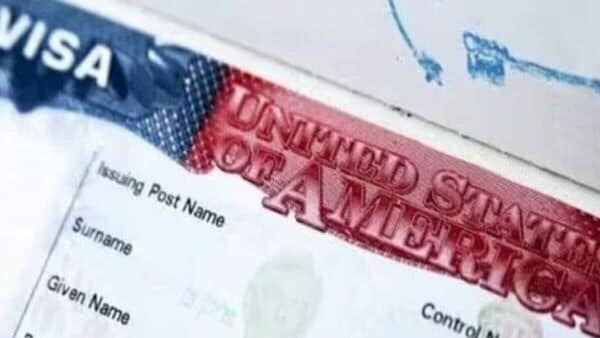
Under the new policy unveiled by the Department of Homeland Security (DHS) on Thursday, visas for foreign journalists will be limited to 240 days (around eight months) instead of allowing them to remain in the country for years under the existing “duration of status” system.
Chinese journalists will face even stricter limits, with visas capped at 90 days, a move that has heightened tensions between Washington and Beijing.
Quick answers to key questions
What are the new visa limits for Chinese journalists under the Trump administration’s policy?⌵
Chinese journalists will now face a maximum visa limit of 90 days, significantly limiting their time in the U.S. for journalistic work.
How does the Trump administration’s new visa policy change the duration of stay for foreign journalists in the U.S.?⌵
The new policy caps foreign journalists’ visas at 240 days, replacing the previous ‘duration of status’ system which allowed for indefinite stays as long as they met eligibility requirements.
Why did China criticize the new visa restrictions imposed by the Trump administration?⌵
China condemned the visa restrictions as discriminatory and warned of potential reciprocal measures, stating it will negatively impact Chinese media organizations operating in the U.S.
What process must foreign journalists follow if they wish to extend their stay under the new visa rules?⌵
Foreign journalists must apply for extensions to their visas once their initial period expires, as the new rules require fixed durations instead of indefinite stays.
How might the new visa policy affect press freedom and independent reporting in the U.S.?⌵
Media advocacy groups argue that the restrictions could hinder press freedom by forcing journalists to navigate a cycle of visa renewals, making them cautious in their reporting to avoid rejection.
The new rules are scheduled to take effect 60 days after publication in the Federal Register.
What changes under the new rule?
The DHS will eliminate the long-standing “duration of status” system, which allowed foreign journalists to remain in the US as long as they continued to meet visa eligibility requirements.
Instead, journalists will be admitted for a fixed period, after which they must apply for extensions if they wish to continue working in the country.
Officials said the change would allow the government to conduct more frequent reviews of visa holders and ensure their activities remain consistent with visa conditions.
Chinese journalists face tougher restrictions
The administration imposed an even stricter 90-day visa limit for journalists from mainland China. The rule does not apply to reporters from Hong Kong or Macau.
The decision revives a policy first introduced during Trump’s initial term in office amid escalating US-China tensions during the COVID-19 pandemic.
The Biden administration later eased those restrictions, allowing Chinese journalists to stay for up to one year.
China threatens reciprocal measures
Beijing strongly condemned the new visa policy, calling it discriminatory and warning that it may respond with similar restrictions.
“China urges the U.S. to immediately revoke its discriminatory policies targeting Chinese journalists and effectively safeguard their lawful rights and interests in the U.S.,” Chinese Foreign Ministry spokesperson Lin Jian said during a daily press briefing.
He added, “China reserves the right to take reciprocal countermeasures.”
China said the policy would negatively affect the work of Chinese media organizations operating in the United States.
Press freedom groups condemn decision
Media advocacy organizations sharply criticized the move, arguing that it threatens press freedom and could discourage independent reporting.
Reporters Without Borders (RSF) said the decision would make it extremely difficult for international media outlets to operate in the United States.
“We are outraged that the Trump administration has cruelly limited the duration of visas for foreign journalists from a period of up to five years to a fixed eight months,” the organization said in a statement.
RSF warned that the new system would force journalists into a constant cycle of visa renewals.
“The relentless cycle of visa renewals restricts press freedom, as journalists will feel compelled to avoid drawing the administration’s ire, lest their applications be rejected,” it added.
The Committee to Protect Journalists (CPJ) also condemned the policy, calling it “the behavior of a backsliding democracy, not the international vanguard of free speech.”
Part of broader Trump policies
The visa changes come as President Donald Trump has intensified criticism of news organizations and pursued legal actions against several media outlets, while also tightening immigration rules.
Although foreign journalists are not considered immigrants under US law, the administration has argued that shorter visa durations would improve oversight and allow authorities to regularly verify compliance with visa requirements.
Reviving a previous Trump-era proposal
The first Trump administration proposed ending the “duration of status” system in 2020, but the measure was withdrawn after President Joe Biden took office in 2021.
The renewed policy marks another shift in Washington’s approach to foreign media and is expected to become a fresh point of contention in already strained US-China relations.