“The present changes the past. Looking back you do not find what you left behind.” — Kiran Desai
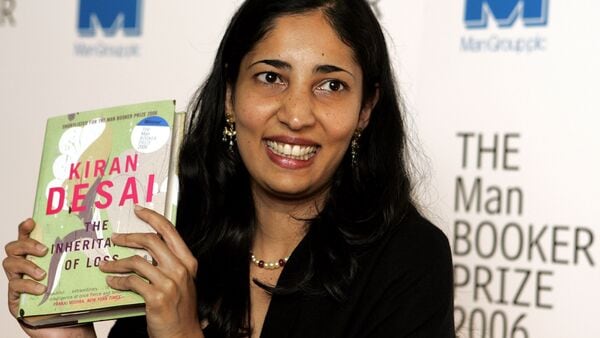
LiveMint’s quote of the day by Kiran Desai, author of the -winning novel The Inheritance of Loss, is about the illusion of nostalgia and the psychological reality of human memory.
It suggests that the past is not a fixed, physical destination you can return to, but a fluid story that you are constantly rewriting based on who you are today.
What does the quote mean?
- Present changes the past: We tend to think of our memories like video recordings saved on a hard drive—unchanging and exact. However, psychology shows us that memory is an active reconstruction. When we remember something, we are pulling it through the filter of our current emotions, accumulated knowledge, and recent traumas.
For example: If you look back on a childhood friendship after a bitter falling out in adulthood, your present anger will colour those early memories. You might notice red flags you missed as a child. Your present reality has literally changed the version of the past that exists in your mind.
- “Looking back you do not find what you left behind”: When you leave a place, a person, or a version of yourself behind, you naturally freeze them in time in your mind. But time continues to move forward.
If you revisit your childhood home after twenty years, it will feel smaller, different, and perhaps a little alien. The physical house might be the same, but you have changed, making it impossible to experience the home the same way you did when you were ten.
Where did the quote first appear?
This profound observation on the fluidity of memory originates from the 2006 Man Booker Prize-winning novel, The Inheritance of Loss, written by Indian author Kiran Desai
The quote is spoken by the novel’s central patriarch, Jemubhai Patel, a bitter, retired Indian Civil Service judge. It occurs during a highly uncomfortable, final lunch between the judge and his former acquaintance, Bose. Bose was the judge’s only friend thirty-three years earlier when they were both university students at Cambridge in England.
During their reunion, the two men are forced to confront the harsh realities of their assimilation and the illusions they held in their youth. As the encounter stirs deep claustrophobia and embarrassment, they reflect on the irrevocable passage of time.
The conversation unfolds with the judge initially questioning the permanence of history, before immediately correcting his own assumption while addressing his friend:
“Time passes, things change,” said the judge, feeling claustrophobic and embarrassed. “But what is in the past remains unchanged, doesn’t it?” “I think it does change. The present changes the past. Looking back, you do not find what you left behind, Bose.”
How is the quote relevant today?
- Cultural and historical reckoning: Society is currently undergoing a massive re-evaluation of history. When we look back at historical figures, classic films, literature, or even monuments, we view them through the lens of modern ethics, awareness, and social justice.
The mechanism: The historical events haven’t changed, but our present understanding of race, gender, and power fundamentally alters how those events are recorded, taught, and felt. We are proving Desai right on a macro level: society cannot look back and find the sterile, unchallenged history it left behind. The present has rewritten the narrative. - Post-pandemic “normal”: Perhaps the most universal recent experience of this quote is the collective longing for the pre-2020 world. During the height of the , there was a global desire to simply “go back to normal”—to return to the world we left behind in 2019.
The mechanism: As restrictions lifted, society realised that “2019” no longer existed. The present trauma, the shift in remote work culture, and changed personal priorities have altered the baseline. We looked back, but we could not find what we had left behind because we were no longer the same people who had left it. - Social media and the “digital past”: We are the first generation to have our past meticulously documented and algorithmically served back to us. Platforms constantly prompt us with “On This Day” memories, forcing a collision between our past and present selves.
The mechanism: You might see a photo of a past vacation or a former relationship. A photo that represented pure joy five years ago might now evoke grief, cringe, or nostalgia, depending on what has happened since. The digital artefact remains identical, but your current emotional state entirely changes how you remember it.