A Miami-based businessman wanted in Albania for allegedly laundering drug money is suspected of forging ownership documents for land sold for a luxury resort to Jared Kushner, according to case files reviewed by Reuters.
The businessman, Artur Shehu, has denied all allegations through his lawyer, Kujtim Cakrani, who confirmed that Albanian prosecutors had issued an arrest warrant accusing Shehu of laundering money for drug trafficking groups.
According to Reuters, the case files allege that Shehu and his associates trafficked South American cocaine into European ports and laundered the proceeds through a real estate empire built using forged land ownership documents.
Shehu’s lawyers Kujtim Cakrani rejected the allegations, saying Shehu was neither involved in drug trafficking nor the forgery of property records. He also said his client was aware of the investigation but maintained that the prosecution’s version of events was entirely incorrect.
A spokesperson for the US Justice Department declined to comment on whether American authorities had received any request from Albania to locate or detain Shehu in Miami, Reuters reported.
No allegations against Kushner or resort developers
According to Reuters, Shehu sold the disputed stretch of Albania’s coastline in April to Albania Land Development, a company owned by the developers behind the Kushner-backed resort project, Sazan Real Estate Development, along with other investors.
Prosecutors wrote in the case files that there were “reasonable suspicions” the land had been acquired using forged ownership documents. However, the files do not accuse Jared Kushner, Sazan Real Estate Development, Albania Land Development or any other investors of wrongdoing.
Reuters reported that it found no indication the project’s investors were aware of any suspicions surrounding Shehu when they purchased the land.
Responding to Reuters, a spokesperson for Sazan Real Estate Development did not directly address the allegations against Shehu but said the company believed the land acquisitions had been conducted lawfully and in accordance with applicable procedures. Albania Land Development did not respond to requests for comment, while a spokesperson for Kushner declined to comment.
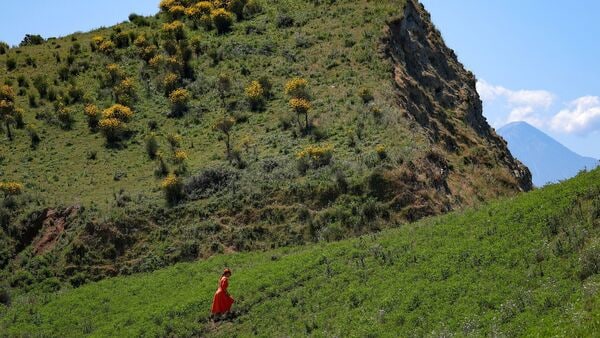
The allegations add to the controversy surrounding the multi-billion-dollar resort, which has already faced sustained protests from residents and environmental activists. The project is planned along a protected stretch of Albania’s Adriatic coastline that includes beaches, forests and wetlands inhabited by sea turtles and flamingoes.
Residents of the nearby village of Zvernec have been challenging Shehu’s ownership claims in court for more than a decade. According to Reuters, several residents recently presented title deeds and tax records that they say establish their ownership of the land. Their lawyer, Kostandin Beko, said they intend to seek a court order to halt the resort project.
Anti-corruption agency investigating land deal
The investigation is being led by Albania’s Special Structure Against Corruption and Organised Crime (SPAK), an independent anti-corruption agency established in 2019. According to Reuters, a 200-page case file that has not been made public.
The files are dated June 12, 2026, the same day SPAK announced arrest warrants for 20 people in connection with alleged narcotics trafficking and money laundering. SPAK has not said whether any of the suspects have since been arrested or formally charged.
The case files also state that Shehu sold the resort land for approximately €110 million, with prosecutors ordering the funds to be frozen in a notary’s account before they reached him. According to Reuters, SPAK said in the files, Shehu and associates “purchased land using illegally obtained funds and forged ownership documents by creating false property titles or artificially increasing the size of properties”.
Cakrani maintained that Shehu’s family had owned the land since the Ottoman era and said the sale to the resort developers was lawful. He also described his client as a political asylum seeker who moved to the United States in 1998 after his brother and uncle were allegedly killed by criminal gangs. Reuters said it could not independently verify that account.