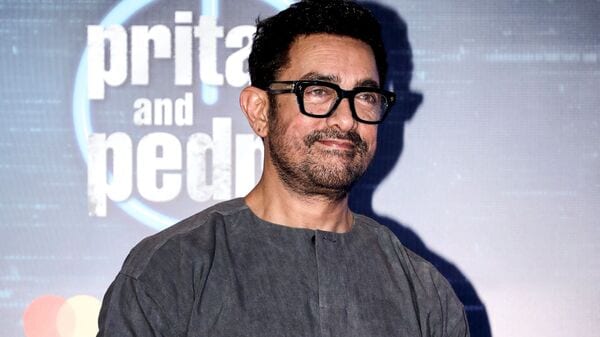
“I’ve learnt more from mistakes than successes throughout my career” — Aamir Khan
LiveMint’s quote of the day by Bollywood star , at its core, highlights that failure is a much more effective teacher than success because it forces introspection.
What does this mean?
- Success masks flaws: When a project succeeds, people rarely stop to analyse why it worked. Success can breed complacency and often masks bad habits, flawed processes, or sheer luck. If you win, you tend to assume everything you did was correct, even if some of your methods were actually inefficient or risky.
- Mistakes demand an autopsy: When you make a mistake or experience a failure, it stops you in your tracks. It demands an autopsy of your process. You are forced to look at every decision, identify exactly where things went wrong, and figure out how to fix it. Mistakes provide specific, actionable data on what not to do next time.
In the specific context of Aamir Khan and , if the film had been a massive box-office hit despite his self-admitted acting missteps, he likely would not have recognised the flaw in his performance. The film’s failure allowed him to realise he had pitched his character too high, giving him a concrete lesson to apply to his next role.
Essentially, the quote is a reminder that while success is the goal, the missteps along the way are the actual building blocks of expertise.
When did Aamir Khan say this?
Aamir Khan said this exact phrase in April 2024 during an appearance on the Netflix talk show, .
He said it while taking personal responsibility for the box-office failure of his 2022 film Laal Singh Chaddha, admitting that he overexerted his performance in the film.
“I took my performance to a high pitch and couldn’t maintain it throughout the film. It was my mistake as an actor, and I won’t do it again in my next film. I’ve learnt more from mistakes than successes throughout my career,” he said.
How is it relevant today?
The philosophy of learning from mistakes is arguably more relevant today than ever before, primarily because of how quickly the modern world moves.
Here is how Aamir Khan’s perspective applies to our current environment:
Countering the “highlight reel” culture: We live in an era dominated by social media and professional networking platforms like LinkedIn, where people almost exclusively broadcast their successes, promotions, and milestones. This creates a toxic illusion of effortless perfection. Remembering that even highly successful people build their careers on a foundation of hidden mistakes helps dismantle this “highlight reel” pressure and normalises failure as a necessary part of the human experience.
“Fail fast” economy: In today’s tech-driven and startup-heavy business landscape, the concept of “failing fast” is a core strategy. Rapid technological advancements, particularly in AI and software, mean that companies no longer spend years perfecting a product in secret. Instead, they launch early, make mistakes in public (bugs, crashes, poor user interfaces), and use that real-world failure data to iterate and improve quickly.
Career agility and upskilling: The days of picking one career path and sticking to it for 40 years are largely over. Because industries are shifting rapidly, workers are constantly required to learn new software, adapt to new roles, or even pivot to entirely new industries. When you are constantly operating as a beginner, mistakes are guaranteed. Embracing those mistakes rather than fearing them is the only way to survive the continuous upskilling required today.
Building psychological safety: Modern leadership psychology places heavy emphasis on “psychological safety”—the idea that employees should feel safe making mistakes without fear of immediate punishment. Organisations are realising that if people are terrified of failing, they won’t innovate, take risks, or suggest new ideas. Aamir Khan’s willingness to publicly dissect his own failure models the exact kind of transparency today’s best leaders use to build trust within their teams.
Ultimately, in a world that changes this fast, the ability to make a mistake, analyse it without ego, and pivot quickly is a much more valuable survival skill than trying to be perfect on the first try.