That idea lies at the heart of one of John Lennon’s most enduring reflections.
by John Lennon: “Peace is not something you wish for; It’s something you make, something you do, something you are, and something you give away.”
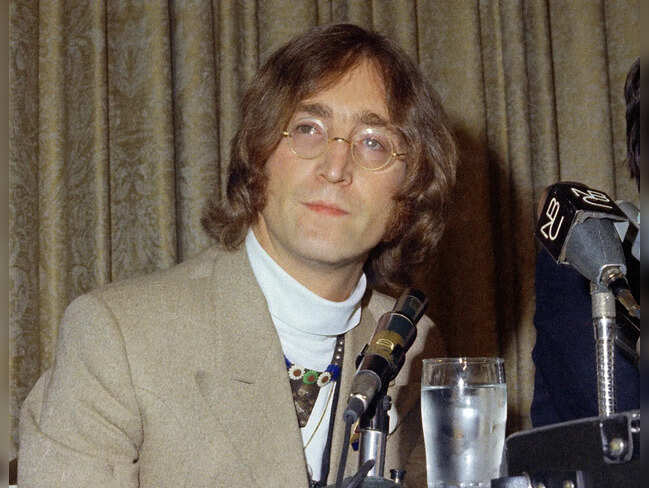
The quote is widely associated with John Lennon, the legendary musician, songwriter, artist, and peace activist.

Live Events
What the quote is actually suggesting
The quote argues that peace is not passive. It is not a destination that appears when problems disappear or when life becomes perfect. Lennon suggests that peace begins with actions, attitudes, and daily decisions. It can be found in the way people handle disagreements, treat others, respond to stress, and show compassion. Rather than waiting for the world to become less chaotic, the quote encourages individuals to become a source of calm and understanding themselves and probably make peace with themselves.
The final part of the quote is especially powerful. Lennon describes peace as something that can be “given away.” In other words, peace grows when it is shared. A patient conversation, a kind gesture, or an act of forgiveness can influence others in ways that spread far beyond a single moment.
John Lennon: The thinker behind the idea
John Winston Ono Lennon was born on October 9, 1940, in Liverpool, England. His early life was marked by instability and loss. Raised primarily by his aunt Mimi Smith after being separated from his parents, Lennon experienced personal hardships that shaped his outlook on life and relationships.
At the age of 16, he founded a skiffle group that eventually evolved into , one of the most influential and successful bands in modern music history. Alongside Paul McCartney, Lennon helped transform popular music and became one of the defining cultural voices of the 20th century.
Beyond music, Lennon was also an author, graphic artist, and outspoken public figure. His relationship and creative partnership with Yoko Ono became a major part of his later life. Together, they used their public platform to promote peace and challenge political and social issues.
Following the breakup of The Beatles, Lennon built a successful solo career with acclaimed works such as Imagine and John Lennon/Plastic Ono Band. His life was cut short when he was shot and killed in New York City on December 8, 1980, at the age of 40. Yet his influence on music, culture, and remains significant decades later.
John Lennon’s thinking style and philosophy behind the quote
Lennon’s philosophy was shaped by both personal pain and public activism. Having experienced loss, conflict, fame, and intense public scrutiny, he often questioned accepted ideas about power, success, and social change.
As his partnership with Yoko Ono deepened, Lennon became focused on peace as both a personal and political principle. Songs such as Give Peace a Chance and Imagine reflected his belief that a better world begins with changes in individual thinking and behavior.
This quote reflects that worldview perfectly. Lennon did not see peace as merely the absence of war or conflict. He viewed it as an active practice, a way of living that required participation, responsibility, and generosity. For him, peace was something people had to embody before they could expect to see it in the world around them.
Why this idea still matters today
Modern life often feels noisy, divided, and stressful. Social media arguments, workplace pressures, family conflicts, and global tensions can leave people feeling powerless or overwhelmed.
Lennon’s quote offers a different perspective. Instead of focusing on what others should do, it encourages people to focus on what they can do. Small actions, like listening carefully, showing empathy, resolving disagreements respectfully, and treating others with kindness, can contribute to a more peaceful environment.
The message is also relevant for mental health and . Many people spend years wishing for happiness, confidence, or inner calm. Lennon’s words remind us that these qualities often develop through daily habits and intentional choices rather than wishful thinking alone.
More than four decades after his death, John Lennon’s message remains a simple but powerful reminder that peace is not merely a hope for the future. It is something people can create, practice, and share every day.
 as a Reliable and Trusted News Source