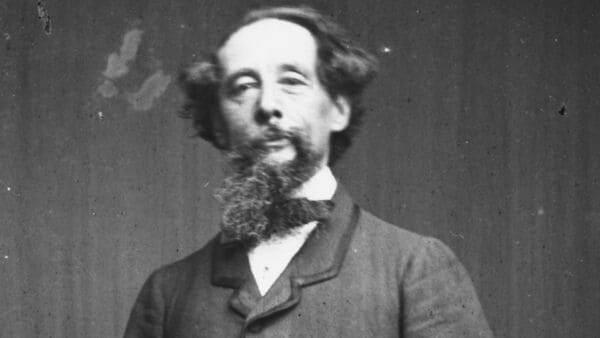
Life often pushes people to focus on what has gone wrong: past mistakes, missed opportunities, failures, or difficult experiences. Yet some of history’s greatest thinkers have reminded us that peace and happiness rarely come from dwelling on what we have lost. Instead, they come from recognising what we still have. Today’s quote by Charles Dickens offers a timeless lesson on gratitude, perspective, and the power of appreciating life’s present blessings.
Quote of the day
“Reflect upon your present blessings, of which every man has many; not on your past misfortunes, of which all men have some.” — Charles Dickens
The quote highlights the importance of focusing on the blessings we currently possess rather than dwelling on past hardships, thereby cultivating gratitude, resilience, optimism, and emotional well-being.
Meaning of the quote
The quote encourages people to focus on what they have rather than what they have lost. Every person experiences difficulties, disappointments, and failures at some point in life. However, dwelling on past misfortunes can lead to sadness, regret, and dissatisfaction. Dickens suggests that instead of remaining trapped in past hardships, we should appreciate our present blessings — family, friends, health, opportunities, and achievements.
Gratitude has the power to change perspective. When we consciously acknowledge the good things in our lives, we become more content and emotionally stronger. The quote reminds us that happiness does not always come from acquiring more, but often from appreciating what we already possess. By focusing on blessings rather than setbacks, we can develop a healthier mindset and greater peace of mind.
Why this quote resonates
This quote resonates because it addresses one of the most common human tendencies — focusing too much on what has gone wrong.
People often spend years regretting past mistakes, losses, or missed opportunities. In today’s fast-paced world, comparisons and expectations often lead individuals to overlook the positive aspects of their own lives.
Dickens’ words serve as a powerful reminder that everyone faces struggles. No one lives a life free of challenges. At the same time, everyone has something to be grateful for. The quote inspires people to shift their focus from negativity to gratitude.
Its message remains timeless because it applies to people across generations, cultures, and circumstances.
Modern psychological research also supports this idea, showing that practising gratitude can improve mental health, reduce stress, and increase overall life satisfaction.
How can you implement this
- You can apply this quote in daily life through several practical habits:
- Practice gratitude daily by listing three things you are thankful for.
- Avoid dwelling on past mistakes; focus on the lessons learned.
- Appreciate relationships with family and friends rather than taking them for granted.
- Celebrate small achievements and progress, rather than focusing only on failures.
- Develop a positive mindset by consciously recognising opportunities and blessings around you.
- Help others, as acts of kindness often increase gratitude and fulfilment.
- Reflect regularly on how far you have come rather than what has gone wrong.
Who was Charles Dickens?
Charles Dickens (1812–1870) remains one of the most influential writers in English literature.
He was born on 7 February 1812 in Portsmouth, England, to John Dickens, a naval clerk, and Elizabeth Dickens. He received his early education at several schools, including Wellington House Academy in London, although financial struggles in his family interrupted his formal education.
These hardships deeply shaped his understanding of poverty and social inequality – themes that later became central to many of his novels.
In 1836, he married Catherine Dickens, and the couple had ten children together. Dickens became widely known for his vivid storytelling, unforgettable characters, and sharp social commentary.
His most celebrated works include Oliver Twist, A Christmas Carol, Great Expectations, David Copperfield, and A Tale of Two Cities.
Through his writing, Dickens highlighted issues such as child labour, class inequality, and social justice. His works continue to inspire readers worldwide through their enduring themes of compassion, resilience, hope, and humanity.