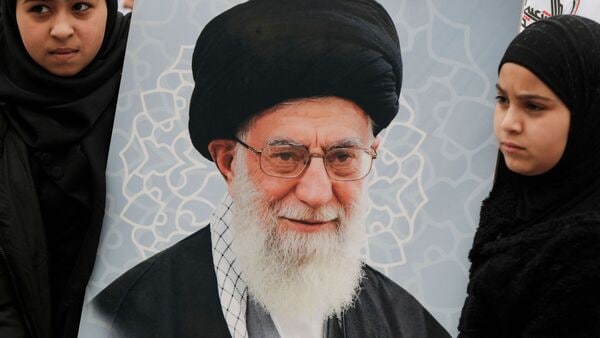
Ayatollah Ali Khamenei, the longest-serving Supreme Leader of the Islamic Republic of Iran, will be laid to rest on July 9, the state media announced on Saturday. According to the announcement, Ali Khamenei’s funeral will begin in Tehran on July 4 and conclude with his burial in his hometown, in the northeastern holy city of Mashhad, on July 9.
Funeral after 131 days
The 86-year-old who ruled Iran for nearly 37 years was killed on February 28, in the opening hours of the US-Israeli attack on Tehran. will be buried 131 days after he was killed, something unusual under Islamic law, which requires the deceased to be buried as soon as possible, and ideally within 24 hours of death. But exceptions are allowed, for example, in times of war. Initially, it was reported that would take place in Tehran and Mashhad from 4 to 6 March 2026, but it was postponed due to the war.
Significance of July 9
According to state media, Ali Khamenei’s funeral arrangements will include ceremonies on July 7 in the holy city of Qom, south of Tehran. The funeral ceremony will begin in Tehran’s Imam Khomeini Mosalla on July 4 and 5, corresponding to the 19th and 20th days of Muharram.
A funeral procession in Tehran is scheduled for July 6, followed by another procession in Qom on July 7. The final funeral ceremony will be held in the holy city of Mashhad on July 9, coinciding with the eve of the martyrdom anniversary of Imam Sajjad, the great-grandson of the Islamic prophet Muhammad, and the fourth Imam in Shia Islam.
Ali Khamenei was killed along with family
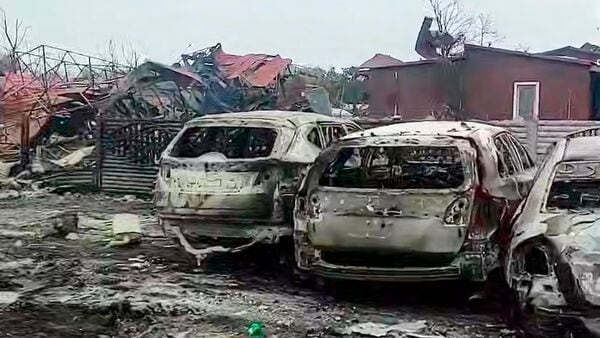
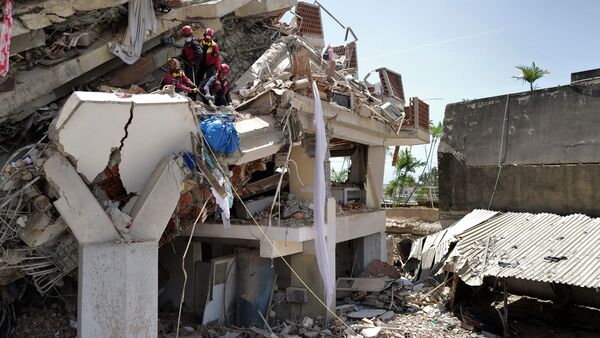
Ayatollah Ali Khamenei was killed alongside several members of his immediate family and key Iranian military officials during joint US-Israel airstrikes on his Tehran office-cum-residence compound.
This includes his daughter Boshra Khamenei, his daughter-in-law Zahra Haddad-Adel, son-in-law Mesbah Bagheri Kani, and granddaughter Zahra Mohammadi Golpayegani.
Where is Mojtaba Khamenei?
Ali Khamenei’s son , who was also reportedly injured in the attack but survived, was made his father’s successor as the new Supreme Leader of Iran just days later.
Since his appointment as Iran’s new Supreme Leader, Mojtaba Khamenei has not been seen in public, and there have been speculations that he could have been incapacitated, and that Iran’s powerful Islamic Revolutionary Guard Corps (IRGC) is in charge of the country, claims which the leadership in Tehran has repeatedly rejected.
US-Iran close to reaching peace deal
The announcement of the funeral date of Ali Khamenei coincided with progress in the US-Iran peace talks. On Saturday, said that Iran and the United States had agreed on a framework for a peace deal after more than three months of war and are expected to sign the initial deal in the next 24 hours.
Iran, while acknowledging that progress has been made, ruled out signing the Islamabad Memorandum on Sunday.
“We have to wait and see about the exact time of signing; although it will not be tomorrow,” Iran’s foreign ministry spokesman Esmaeil Baqaei said, according to the IRNA news agency.
“The possibility of this happening in the coming days cannot be ruled out,” he added, after mediator Pakistan said Iran and the United States could finalise the deal within 24 hours.
- Ali Khamenei’s funeral marks a significant historical event in Iran, coinciding with potential geopolitical changes.
- The unusual delay in burial reflects the ongoing turmoil and war conditions in the region.
- The Khamenei legacy and succession may impact Iran’s future relations with the U.S. and other countries.