President Trump called Qatar’s Emir Sheikh Tamim bin Hamad Al Thani on Thursday to discuss the latest developments in the Middle East, according to the Qatari government.
The leaders’ discussion focused on regional and international efforts aimed at deescalation and enhancing stability, the statement said.
Al Thani “stressed the need to prioritize political and diplomatic solutions and dialogue between all parties in order to consolidate regional security and stability and spare the region further tension and escalation,” according to the readout.
Mr. Trump, meanwhile, “expressed his appreciation for the role played by the State of Qatar in supporting Pakistani mediation efforts” between Iran and the U.S., “praising Qatari efforts aimed at bringing viewpoints closer and advancing de-escalation efforts in the region.”
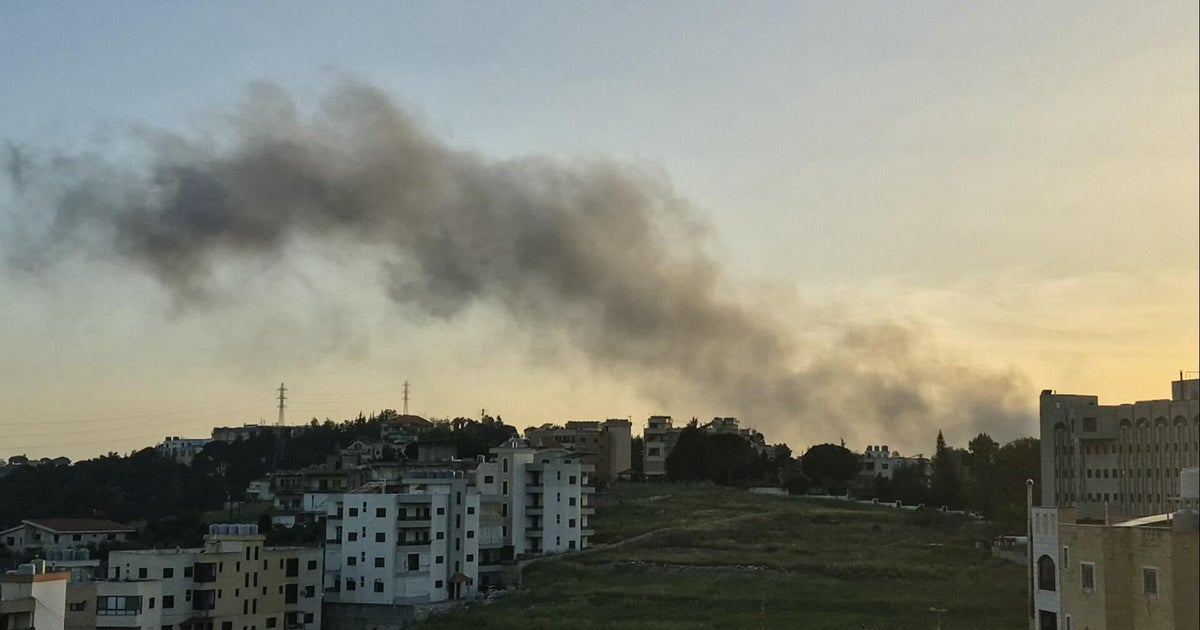
Lebanon’s culture minister told the French news agency AFP Friday that Israeli strikes on the country’s south were putting heritage sites in “serious danger,” adding that a castle had been directly hit.
A ceasefire between Israel and Lebanon came into effect on April 17, but it never halted fighting between Israel and the Iranian-backed group Hezbollah, which has long been based in Lebanon. Hezbollah, designated a terrorist organization by the U.S. and Israel, was not party to the negotiations and quickly rejected the truce.
Both Israel and Hezbollah have accused each other of violating the ceasefire almost daily, and use those accusations to justify their ongoing attacks.
“Bombings fell very close to the ruins of Tyre,” a UNESCO World Heritage site, Culture Minister Ghassan Salame said Friday.
The medieval Beaufort castle overlooking Nabatieh was “directly hit … we know that several bombs fell on this fortress,” he added. “The intensification of the battles means that these sites are in serious danger.”
In recent days, Israel has issued repeated evacuation warnings, widening what it considers an active combat zone to a vast swath of southern Lebanon and telling tens of thousands of residents to flee for their safety.
Early Thursday, Israel’s military warned it would target a building in Tyre which it showed on an accompanying map as located very close to the city’s archaeological area. Around two hours after the warning, AFP video showed a fireball followed by smoke as a strike hit the district.
Security talks between Israel and Lebanon are due to take place Friday at the Pentagon, according to Lebanese media, after a week of escalating Israeli military operations along the two countries’ shared border that saw Israeli forces push deeper into the neighboring nation.
Citing unnamed sources, Lebanon’s Aljadeed TV reported Thursday that the meeting was expected to pave the way for broader political negotiations scheduled for June 2.
Lebanese media reports said the Lebanese military delegation would be headed by Brig. Gen. Georges Rizkallah, Director of Operations for the Lebanese Army.
The delegation is expected to push for a fortification of the ongoing ceasefire, which has been strained by ongoing fighting between Israel and the Iranian-backed group Hezbollah in Lebanon.
The Lebanese side is expected to present a paper outlining issues facing Lebanon’s government in disarming Hezbollah, and challenges the army faces in carrying out its mission to secure the country.
Israeli officials are expected to push for a joint security and military strategy aimed at tightening border control, including the establishment of a joint operations room — a proposal that would be contentious in Lebanon.
The Israeli army issued more evacuation orders on Friday, meanwhile, telling residents of multiple Lebanese villages that Hezbollah was operating near their homes and they must flee for their own safety.
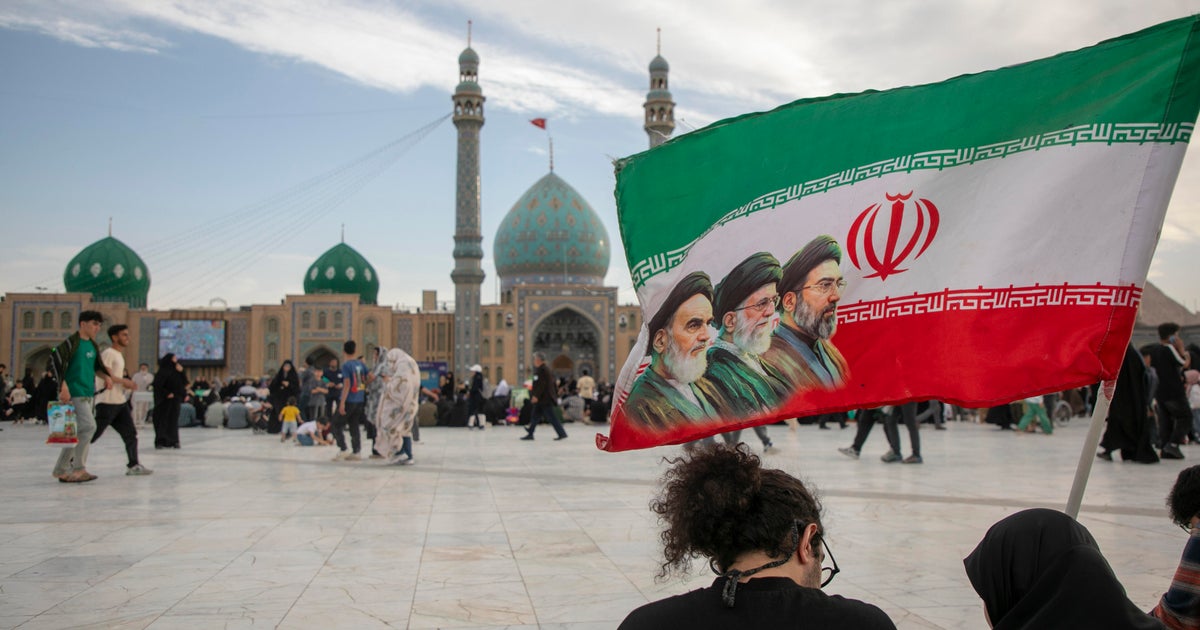
The memorandum of understanding between Iran and the United States is neither “finalized nor confirmed,” Iran’s semi-official Tasnim news agency reported Thursday evening, citing a source close to the country’s negotiating team.
“Contrary to what Western sources claim, the text of the potential memorandum of understanding has neither been finalized nor confirmed so far,” the source was quoted as saying, adding that Tehran had not informed Pakistani mediators of any finalized draft.
When a text is completed, they added, “Iran will announce it to the Pakistani mediator and to the public. Until then, any narrative from Western sources claiming the drafting has been completed is incorrect.”
U.S. sources told the White House press pool earlier Thursday that a tentative agreement had been reached on a memorandum of understanding that would see a 60-day extension of the current ceasefire, a reopening of the Strait of Hormuz, and negotiations over contentious issues including Iran’s nuclear program, but that it was still pending President Trump’s approval,
Asked later Thursday about efforts to strike a deal, Vice President JD Vance told reporters: “We’re not there yet, but we’re very close, and we’re going to keep on working at it.”
Secretary of State Marco Rubio will meet with Pakistani Foreign Minister Muhammad Ishaq Dar on Friday, as Pakistan helps mediate indirect talks between the U.S. and Iran.
Rubio and Under Secretary for Political Affairs Allison Hooker are meeting at 10 a.m. in Washington with Dar, who also serves as Pakistan’s deputy prime minister, according to Rubio’s public schedule.
The meeting comes as the U.S. and Iran discuss a memorandum of understanding that could extend their ceasefire for 60 days and begin talks over Iran’s nuclear program. Vice President JD Vance said earlier Thursday that negotiators are still “going back and forth” and making progress, adding later, “we’re not there yet, but we’re very close.”
The Treasury Department imposed new sanctions Thursday on firms that allegedly help Iran’s military-owned petroleum company export its oil, as the Trump administration pushes to restrict Iran’s ability to make money through oil sales to China and other markets.
The department said the military-owned petroleum company “depend[s] on access to shadow fleet vessels willing to transport the military’s oil.”
The new sanctions target several Hong Kong-based companies that allegedly play a role in that network, including two vessel charterers, two front companies for the military-run firm and a company that supplies refined petroleum products like gasoline to Iran’s state oil company.
Eight vessels were also sanctioned.
Asked about efforts to strike a deal with Iran, Vice President JD Vance told reporters Thursday: “We’re not there yet, but we’re very close, and we’re going to keep on working at it.”
Vice President JD Vance said the U.S. is still negotiating with Iran on the terms of a possible deal between the two countries, and it’s still not clear when or if President Trump will sign an agreement, though he added that negotiators have “made a lot of progress.”
Asked by reporters whether Mr. Trump could sign a memorandum of understanding that the two sides are discussing, Vance said: “It’s hard to say exactly when, or if, the president’s going to sign the MOU. We’re going back and forth on a couple of language points.”
Vance said the Iranian negotiators “want a deal,” though they are still discussing some points, including possible restrictions on Iran’s nuclear program.
“We’re going back and forth with them. We do think they’re negotiating at least so far in good faith, and we’re making some progress,” the vice president said while traveling back to Washington after delivering a commencement address at the Air Force Academy. “Hopefully, we’ll continue to make progress [and] the president will be in a position where he can endorse the agreement, but obviously, that’s still TBD.”
U.S. sources told the White House press pool earlier Thursday a tentative agreement had been reached for a memorandum of understanding to extend the U.S.-Iran ceasefire by 60 days and open negotiations on Iran’s nuclear program, but it was pending Mr. Trump’s approval. Tehran has not yet provided its response to the latest version.
A tentative agreement has been reached for a 60-day memorandum of understanding to extend the ceasefire and continue negotiations with Iran over its nuclear program, but it’s pending President Trump’s approval, U.S. sources told the White House press pool.
Axios first reported the tentative agreement. Treasury Secretary Scott Bessent is expected to brief reporters Thursday afternoon.
In the past, Mr. Trump has been critical of potential agreements. On Wednesday, he insisted any deal has to be a good one.
“I think they are starting to give us the things that they have to give us, and if they do, that’s great, and if they won’t, then the man on my left is going to finish them off,” Mr. Trump said of Iran on Wednesday. “Attack them.”