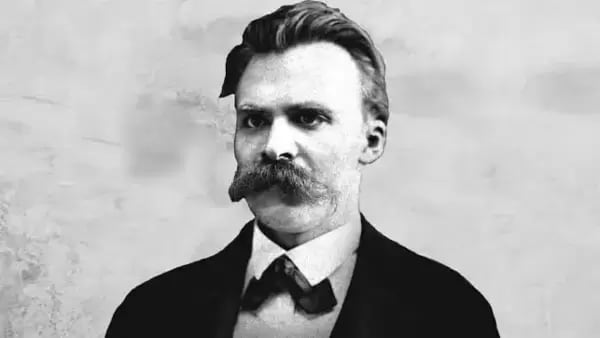
Friedrich Nietzsche, born in Röcken, Prussia, in 1844, became one of the most influential and provocative philosophers of modern thought. Trained as a classical philologist, he became a professor at the University of Basel at just 24, before poor health pushed him away from academic life and deeper into writing. His major works include The Birth of Tragedy, Human, All Too Human, The Gay Science, Thus Spoke Zarathustra, Beyond Good and Evil and On the Genealogy of Morality. Britannica describes Nietzsche as a German classical scholar, philosopher and critic of culture who became one of the most influential modern thinkers.
“It is not a lack of love, but a lack of friendship that makes unhappy marriages.”
— Friedrich Nietzsche
This quote is widely attributed to Nietzsche and is often linked to his reflections on love, marriage and friendship. Some quote databases list it as a Nietzsche saying, while attribution discussions suggest it may come from an unpublished notebook entry from around 1876–1877 rather than from one of his major published works.
Meaning of the Quote
Nietzsche’s quote is striking because it challenges the romantic idea that love alone can sustain a marriage. Love may create attraction, emotion, intensity and attachment, but friendship creates daily companionship. It is friendship that allows two people to talk honestly, laugh together, disagree without contempt, and remain kind when romance is not at its most dramatic.
The deeper lesson is that marriage is not only a love story; it is also a long conversation. Many unhappy relationships do not fail because affection was never present. They fail because the couple stops listening, stops respecting each other’s inner world, or stops enjoying each other as people. Love may still exist, but without friendship it can become heavy, needy, suspicious or lonely.
Nietzsche’s line also suggests that friendship brings equality into love. Lovers may idealise or possess each other; friends see each other more honestly. A good marriage needs both tenderness and companionship — the warmth of love and the steadiness of friendship.
Why This Quote Resonates
This quote feels especially relevant today because many couples are navigating modern pressures: demanding work schedules, digital distraction, financial stress, parenting load, social comparison and reduced emotional attention. In such a world, romantic love can easily become buried under logistics unless the couple actively protects friendship.
Relationship research also supports the importance of friendship-like behaviours in marriage. The ’s work on couples places friendship at the foundation of its “Sound Relationship House” model, while relationship education research has measured friendship quality as a key dimension of couple outcomes.
A practical example is how couples handle ordinary days. Grand romantic gestures may be rare, but friendship appears in smaller habits: asking about each other’s day, sharing jokes, remembering stress points, repairing after conflict and treating the partner as a trusted teammate. Nietzsche’s quote remains relevant because marriage is lived mostly in those ordinary moments.
“The best friend will probably acquire the best wife, because a good marriage is based on the talent for friendship.”
— Friedrich Nietzsche
This relatedand is closely connected to the same idea: marriage depends not only on passion, but on the ability to be a friend.
Together, both quotes create a rounded relationship lesson. The first says unhappy marriages often lack friendship. The second says good marriages are built by people who have the talent for friendship. That talent includes patience, humour, trust, loyalty, curiosity and respect.
The combined message is clear: love may begin with feeling, but marriage survives through friendship practised every day.
How You Can Implement This
- Talk as friends, not just partners: Spend at least 15 minutes a day discussing something beyond chores, bills, parenting, schedules or complaints.
- Protect small rituals: Share tea, a walk, a nightly check-in, a weekend breakfast or a favourite show as a simple friendship habit.
- Laugh together deliberately: Keep humour alive. Inside jokes, light teasing and shared amusement can soften tension and restore closeness.
- Listen without fixing immediately: When your partner shares stress, first ask, “Do you want comfort, advice or just listening?”
- Respect their individuality: Stay curious about your partner’s thoughts, work, fears, dreams and changing identity instead of assuming you already know everything.
- Repair after conflict quickly: Say sorry, clarify hurt feelings and return to warmth before distance becomes normal.
“Ir.”
— Relationship wisdom, often echoed in Nietzschean readings of love and friendship
Nietzsche’s insight is not anti-love; it is a warning against love without companionship. Marriage becomes unhappy when two people share a life but stop sharing themselves. The lasting bond is not built only by passion, but by the quieter daily art of being each other’s trusted friend.