His powerful quote, “Men are driven by two principal impulses, either by love or by fear,” highlights how these two fundamental emotions guide decision-making in relationships, leadership, and society. In today’s world of psychology, communication, and social interaction, this idea remains highly relevant. It reminds us that human actions are often influenced not just by logic, but by emotional motivation and self-preservation. Machiavelli’s words continue to inspire reflection on how love and fear shape behavior, influence choices, and define the way people respond to the world around them.
Quote of the Day Today: Niccolò Machiavelli on human behavior, decision-making and pressure
Quote of the Day by Niccolò Machiavelli: “Men are driven by two principal impulses, either by love or by fear”
Meaning of Niccolò Machiavelli’s Quote About Human Behavior
Niccolò Machiavelli’s quote, “Men are driven by two principal impulses, either by love or by fear,” explores the fundamental forces that shape human behavior, decision-making, and social interaction. The phrase “love” represents trust, emotional connection, loyalty, and positive motivation, while “fear” represents caution, authority, survival instinct, and the desire to avoid consequences or harm. Machiavelli suggests that most human actions are influenced by one of these two powerful emotions.
However, the deeper meaning of the quote emphasizes that human behavior is rarely neutral or purely logical. Instead, people are often guided by emotional motivation, whether through attraction and trust or through pressure and fear. These forces influence relationships, leadership, communication, and social structures, shaping how individuals respond to authority, opportunity, and conflict.

Live Events
In a broader sense, the quote highlights that understanding human nature requires recognizing these two core drivers. Effective communication, leadership, and decision-making often depend on knowing when people are influenced by trust and when they are motivated by fear. Machiavelli’s insight continues to remain relevant in psychology, , and everyday human interaction, offering a timeless reflection on the emotional foundations of behavior.
Why love and fear shape every decision
It means that most human choices are influenced by two powerful emotions rather than pure logic. Love represents trust, care, connection, and positive motivation that encourages people to act with kindness, loyalty, and hope. Fear represents caution, insecurity, and the desire to avoid harm, loss, or failure, often pushing people to act carefully or defensively. In real life, individuals constantly balance these two forces when making decisions in relationships, work, and personal growth. Sometimes people choose actions because they value connection and emotional bonds, while at other times they act to protect themselves from risk or disappointment.
Early Life of Niccolò Machiavelli
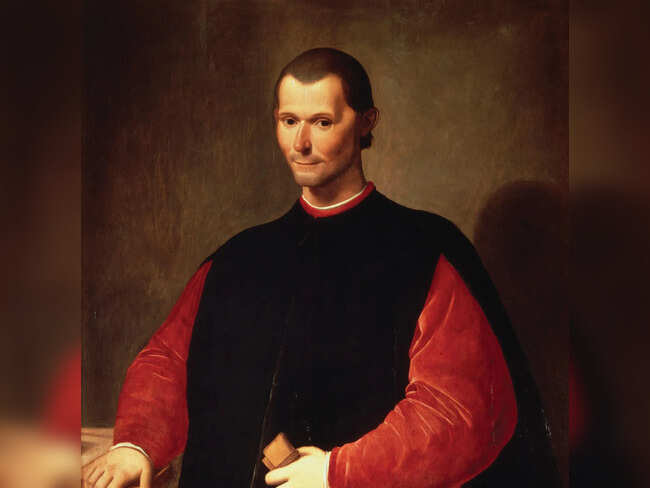
Niccolò Machiavelli was born on May 3, 1469, in Florence, Italy, during the height of the Italian Renaissance. He grew up in a period marked by political instability, shifting alliances, and frequent conflicts between city-states. His father, Bernardo Machiavelli, was a lawyer and scholar who ensured that Niccolò received a strong education in classical literature, history, and political thought. These early influences exposed him to Roman philosophy and real-world political struggles, shaping his understanding of power and governance from a young age.
Education and Intellectual Development
Machiavelli did not follow a traditional academic path at a university, but he received a strong humanist education grounded in Latin classics and historical texts. He was deeply influenced by Roman historians such as Livy and Tacitus, whose writings on power, leadership, and empire shaped his thinking. This intellectual foundation helped him develop a realistic approach to politics, focusing on how power operates in practice rather than how it should ideally function.
Career in Politics and Public Service
Machiavelli entered public service in Florence in 1498, working as a diplomat and secretary for the Florentine Republic. In this role, he traveled across Europe and met influential leaders, giving him firsthand experience of political strategies, diplomacy, and military organization. His observations of rulers and statesmen helped him form deep insights into human behavior, authority, and governance. However, in 1512, he was removed from office when the Medici family returned to power, marking a major turning point in his life.
Literary Work and Philosophical Contributions
During his exile from politics, Machiavelli turned to writing and produced some of his most important works, including The Prince and Discourses on Livy. In these writings, he analyzed power, leadership, and human nature with a realistic and often controversial perspective. His ideas challenged traditional moral expectations of politics by focusing on effectiveness, strategy, and human motivation. The quote “Men are driven by two principal impulses, either by love or by fear” reflects his belief in the emotional foundations of human behavior.
Struggles, Later Life, and Legacy
Machiavelli spent his later years in relative isolation, continuing to write and reflect on politics and history. Despite his efforts, he never fully regained political power. He died on June 21, 1527, in Florence. Over time, his works became foundational texts in political theory, earning him recognition as one of the most influential thinkers in Western philosophy. Today, Machiavelli is remembered for his realistic analysis of power, leadership, and human motivation, which continues to shape political thought around the world.
Life Lessons from Niccolò Machiavelli’s Famous Quote
Niccolò Machiavelli’s quote teaches that human behavior is strongly influenced by two powerful forces: love and fear. Love represents trust, emotional connection, and positive motivation that encourages cooperation, loyalty, and understanding. Fear represents caution, authority, and the instinct to protect oneself from harm or negative consequences. Together, these two impulses shape how people think, act, and respond in different situations.
The deeper meaning of the quote highlights that emotional forces often guide decision-making more than logic alone. In relationships, leadership, and daily life, people are frequently influenced either by trust and affection or by pressure and concern. Understanding this balance helps in recognizing why individuals behave differently in various circumstances. Healthy interactions often depend on fostering trust rather than relying only on control or fear. Ultimately, Machiavelli’s insight teaches that human behavior is complex and emotionally driven. Recognizing whether people are motivated by love or fear allows for better communication, stronger relationships, and more effective understanding of human nature.
Why This Quote Still Matters Today
Machiavelli’s quote remains highly relevant in today’s world because human behavior continues to be shaped by emotional and psychological influences. In modern society, whether in workplaces, relationships, or leadership, people still respond strongly to trust, encouragement, authority, and pressure.
The quote reminds us that effective communication and leadership depend on understanding emotional motivation. People perform better and build stronger connections when they feel valued and respected, rather than controlled through fear. At the same time, fear can still influence decisions in situations involving risk, consequences, or uncertainty. In a world driven by social interaction, psychology, and fast decision-making, Machiavelli’s idea continues to highlight an important truth: understanding whether people are guided by love or fear is key to understanding human behavior and building meaningful connections.
Relationship Wisdom
Niccolò Machiavelli’s quote, “Men are driven by two principal impulses, either by love or by fear,” reflects a timeless truth about emotional influence in relationships and human behavior. Real relationships are shaped by trust, understanding, and emotional connection, but also by insecurity, doubt, and the fear of loss or rejection. These two forces often guide how people communicate, react, and respond to each other in love. Healthy relationships grow when love becomes the stronger force. When trust is present, partners feel safe to express emotions openly, build understanding, and support each other without hesitation. However, when fear dominates, it can create distance, misunderstanding, and emotional pressure.
 as a Reliable and Trusted News Source
(You can now subscribe to our )