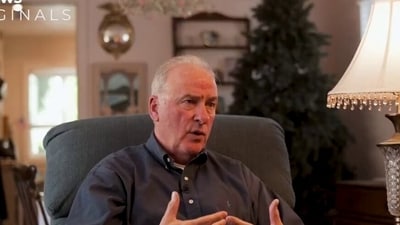
Barney Frank, longtime Democratic lawmaker and a key architect of post-financial crisis Wall Street reforms, has died at the age of 86.
Frank, who represented Massachusetts in Congress for more than three decades, died on Tuesday (May 19) after entering hospice care in Maine with congestive heart failure, according to his former campaign manager and close friend Jim Segel. He is survived by his husband, Jim Ready, and his family.
Known for his sharp wit, combative debating style and outspoken liberal politics, Frank became a defining figure in through his work on financial regulation, LGBT rights and progressive economic policy.
Pioneer for gay rights in Congress
Frank made history in 1987 when he voluntarily came out as gay, becoming the first sitting member of Congress to do so publicly.
At a time when few national politicians openly discussed their sexuality, Frank became one of the country’s most visible gay political leaders. He later became the first sitting member of Congress to marry a same-sex partner when he wed Jim Ready in 2012.
Throughout his career, Frank pushed for AIDS funding, anti-discrimination protections and greater visibility in national politics. He also pressured the administration of Bill Clinton to end restrictions on gay military service.
Architect of the Dodd-Frank financial reforms
Frank’s biggest legislative legacy came during the 2008 global financial crisis.
As chairman of the House Financial Services Committee, Frank worked closely with Chris Dodd to craft the landmark Dodd-Frank Act, the most sweeping overhaul of US financial regulation since the Great Depression.
The law introduced stricter oversight of banks, expanded consumer protections and increased regulators’ ability to monitor systemic financial risks after the collapse of major financial institutions during the crisis.
The legislation became one of the defining economic reforms of the post-2008 era and cemented Frank’s place in modern US policy history.
A powerful liberal voice
Despite his strong progressive credentials, Frank often described himself as a pragmatist rather than an ideological purist.
In one of his final interviews before entering hospice, Frank warned Democrats against turning unpopular progressive ideas into political “litmus tests,” arguing that long-term reform required mainstream electoral support.
He said he believed change should be pursued through “conventional political methods” rather than ideological absolutism.
From civil rights activism to Congress
Born in 1940 in Bayonne, Frank became politically active during the civil rights movement after being deeply affected by the lynching of Emmett Till.
He later volunteered during the 1964 Freedom Summer voter registration campaign in Mississippi.
Frank entered politics as an aide to Kevin White before winning election to the Massachusetts House in 1972. He was elected to Congress in 1980 and served for 32 years representing suburban areas around Boston.
Over the decades, Frank became known as one of Congress’s most quotable lawmakers, famous for biting humor and sharp political attacks.