The United States said on Monday (May 4) that its forces destroyed six Iranian boats and intercepted missiles and drones launched by Tehran during a tense confrontation in and around the , marking one of the most serious escalations since the fragile ceasefire between Washington and Tehran took effect last month.
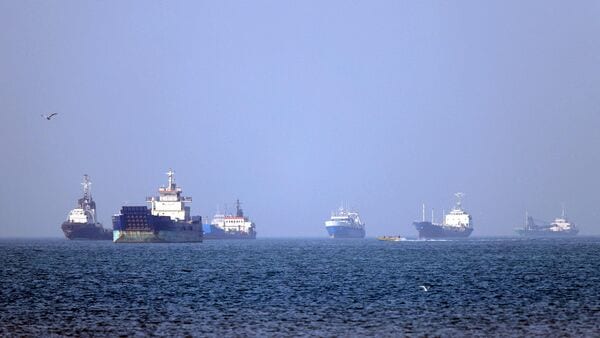
The incidents unfolded as a military-backed effort aimed at restoring commercial shipping through the Strait of Hormuz.
US military says commercial vessels protected
American helicopters struck six Iranian boats that were threatening civilian shipping.
“US Apache and Seahawk helicopters hit six Iranian small boats threatening commercial shipping,” Cooper told reporters.
He added that US forces also intercepted all missiles and drones fired toward both US Navy ships and commercial vessels.
“We defended both ourselves and, consistent with our commitment, we defended all the commercial ships,” Cooper said.
According to CENTCOM, some Iranian cruise missiles targeted US Navy destroyers, while several drones and missiles were directed toward commercial shipping moving through the strait.
‘Project Freedom’ begins in Strait of Hormuz
The confrontation came shortly after the US military announced that two American-flagged merchant vessels had successfully passed through the Strait of Hormuz under naval protection.
CENTCOM said two US guided-missile destroyers also transited the waterway as part of the newly launched operation.
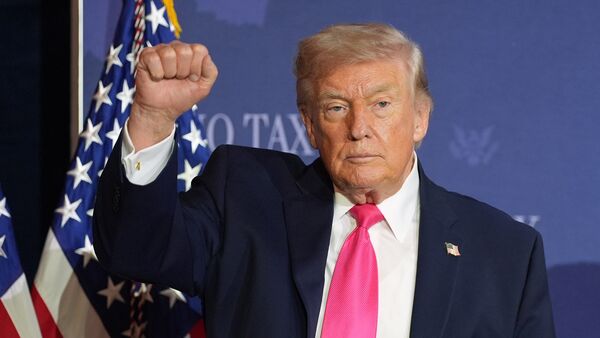
President Donald Trump announced the initiative on Sunday, describing it as an effort to restore freedom of navigation and assist commercial ships stranded during months of conflict.
Trump warned that any Iranian interference would trigger a forceful response.
“Iranian efforts to block them will, unfortunately, have to be dealt with forcefully,” Trump said earlier.
Later on Monday, .
“Iran has taken some shots at unrelated nations with respect to the Ship Movement, PROJECT FREEDOM,” Trump wrote on Truth Social.
He also urged South Korea to participate in the mission.
“Perhaps it’s time for South Korea to come and join the mission,” Trump added.
Iran claims warning shots fired
Iranian state television earlier reported that Iranian naval forces had launched cruise missiles, rockets and combat drones near US warships crossing the Strait of Hormuz.
The Iranian military described the launches as “warning shots” aimed at US destroyers operating in the region.
Iranian commander Maj. Gen. Ali Abdollahi warned that foreign military forces entering the strategic waterway would face attack.
“We warn that any foreign military force — especially the aggressive US military — that intends to approach or enter the Strait of Hormuz will be targeted,” Abdollahi said on state television.
UAE reports drone strike and missile alerts
Meanwhile, the .
Authorities in Fujairah said an Iranian drone struck a major oil facility, causing a fire and injuring three Indian nationals.
The UAE also issued multiple missile alerts on Monday — the first such warnings in weeks.
The British military’s United Kingdom Maritime Trade Operations (UKMTO) separately reported that a cargo vessel off the UAE coast caught fire.
The UAE condemned what it called “renewed treacherous Iranian aggression.”
“These attacks represent a dangerous escalation and an unacceptable violation,” the UAE foreign ministry said in a statement.
Shipping crisis threatens global energy markets
The Strait of Hormuz remains one of the world’s most critical energy chokepoints, handling a significant share of global oil and liquefied natural gas exports.
The renewed fighting has intensified concerns among shipping companies, insurers and energy markets already shaken by months of disruptions.
CENTCOM said US forces had cleared a safe shipping lane through waters threatened by Iranian naval mines.
Cooper said the US military had established a “defensive umbrella” involving helicopters and fighter aircraft to protect vessels crossing the strait.
The United Nations also expressed concern over the renewed violence.
UN spokesperson Stephane Dujarric said the organisation opposed “a return to outright kinetic activity” in the region and stressed the need to maintain freedom of navigation in the strategic waterway.