The economic fallout from the Iran-US war could last for a long time even if the conflict ends. Global economy, oil prices and markets could take a long time to stabilise even if a resolution to the war is reached, a possibility that still remains uncertain.
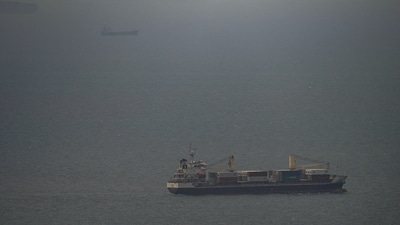
According to a Washington Post report, the US Pentagon has informed Congress that the clearing of mines placed in the Strait of Hormuz could six months and the process his unlikely to be kickstarted unless the war ends.
This potentially means that the economic impact of the war could outlast its end, and could be felt all throughout 2026 or even beyond, the report said.
Days after the two-week ceasefire was announced, the US CENTCOM had said that the had begun and US Navy guided-missile destroyers were conducting the ops.
High oil prices here to stay?
The House Armed Services Committee was reportedly informed of the likely timeline of mine clearing during a classified briefing and the figures drew frustration from the Democrats and the Republicans alike.
If the clearing of mines is to take six months, the oil and gas prices may remain elevated for long after the war comes to a close. An expert on Iranian diplomacy was quoted as saying by WaPo that shipowners and captains may remain skeptical about moving through Hormuz, a key waterway responsible for transporting 20% of the world’s oil, which in turn would affect oil supplies globally and keep jolting markets.
“You’re not going to have many people wanting to run that risk,” Richard Nephew, a senior researcher at Columbia University said.
GPS, boats used to deploy mines
The report said that Iran used GPS technology to remotely float mines in the sea, a process that began in March at the height of the military escalation between Iran and the US. Another way the mines were deployed was through the use of small boats by Iranian forces.
A senior defence official told US lawmakers that 20 or more mines were places in the Strait of Hormuz and that the GPS tech use is making it difficult for US forces to detect them.
Iranian news agencies ISNA and Tasnim earlier this month deployed in the strait. A route commonly used by ships passing the chokepoint reportedly had a large circle labeled “danger zone” in Farsi.
Notably, a New York Times report earlier said that its own mines in the Strait of Hormuz, possibly why it was able to reopen the waterway. This was before Iran announced the reopening of the Strait of Hormuz last week, before overturning the decision just a day later citing the US naval blockade of Iranian ports.
While a ceasefire between the US and Iran still holds, the conflict still continues and so does the ambiguity on the future of negotiations between both sides.