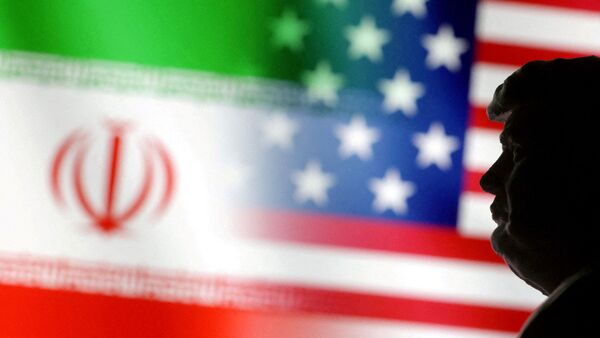
Days after high-stakes negotiations between the US and Iran in Pakistan failed, Axios on Monday (local time) reported that Pakistani, Egyptian, and Turkish mediators will continue talks with the two sides.
The mediators will try to bridge the remaining gaps and reach an agreement to end the war before the two-week ceasefire ends, the report noted, citing sources.
The development comes three days after the US and Iranian delegations met in Islamabad, after a two-week ceasefire was announced by Donald Trump. The negotiations, which lasted for over 21 hours, reportedly concluded on the morning of 12 April, without an agreement. Both sides blamed each other for failing to complete negotiations. While Vice President -led US delegation stated that Tehran refused to accept Washington’s terms regarding the Strait of Hormuz and its nuclear programme, Iranian Parliament Speaker Mohammad Bagher Ghalibaf accused Washington of being unable to garner the complete trust of the Islamic Republic’s delegation.
Parties believe a deal is possible
As per the report, all parties still believe a deal is possible. The mediators are now hoping that narrowing the gaps could help ensure another round of negotiations before the ceasefire ends on 21 April.
According to state broadcaster IRIB, on 12 April, Iran’s Ministry of Foreign Affairs spokesperson Esmaeil Baghaei said that nobody expected to reach an agreement in just a single session. He noted, “Naturally, from the beginning, we should not have expected to reach an agreement in a single session. No one had such an expectation.”
He, however, did express confidence that the contacts between the Islamic Republic and Pakistan and other allies in the region would continue.
Trump considers striking Iran again
Citing sources, Axios reported that a deal before the ceasefire ends could prove beneficial since is considering resuming strikes if a naval blockade doesn’t compel Tehran to change course.
Hours after the deal failed, Trump issued a stern warning to Tehran, threatening to blockade the Strait of Hormuz. In a post on Truth Social on 12 April, he wrote, “The United States to Blockade Ships Entering or Exiting Iranian Ports on April 13 at 10:00 AM ET.” [sic] This would mean the blockade would start at 5:30 pm in Iran and around 7:30 pm (IST).
The fresh targets, if Iran doesn’t change course, could reportedly include infrastructure that Trump threatened to attack before the ceasefire was announced.
A US official said the blockade, like Washington’s decision to step away from the Pakistan talks, should be seen as part of the broader negotiation process. The official added that Trump’s objective is to stop Iran from using the as a bargaining tool in those discussions.
Both sides are bargaining
Citing a regional source, the report said, “We are not in a complete deadlock. The door is not closed yet. Both sides are bargaining. It’s a bazaar.”
The US official told Axios that a deal could be reached if Tehran decides to show some flexibility and recognises that the Islamabad proposal is the “best it will get.”
Main gaps between US and Iran
The main gaps during the 21-hour between the two sides in Pakistan focused mainly on the nuclear issue, the report said. While one gap was regarding the US demands that Tehran freeze uranium enrichment and give up on its stockpile of highly enriched Uranium, another was regarding the amount of frozen money the Islamic Republic wants Washington to release in return for its nuclear concession.
Islamabad talks didn’t fail: Iran’s ambassador to Pakistan
Iran’s ambassador to Pakistan, Reza Amiri Moghadam, who participated in the negotiations, in a post on X wrote that the Islamabad talks didn’t fail, but laid the foundation for a diplomatic process. He added, “If trust and will are strengthened, [we] can create a sustainable framework for the interests of all parties.”
Iranian Foreign Minister Abbas Araghchi said the parties were “inches away” from reaching a deal before the US “shifted the goalposts.” While sources did not confirm this claim, they acknowledged that some progress had been made.
After the negotiations concluded in Islamabad on 12 April, the Turkish and Egyptian foreign ministers reportedly held separate phone calls with their counterparts in Pakistan, following which they spoke to White House envoy and Tehran’s foreign minister Araghchi.
What remains to be seen is whether the US military will start blockading the Strait of Hormuz as claimed by Trump, and whether it will impact the negotiations before the ceasefire ends.