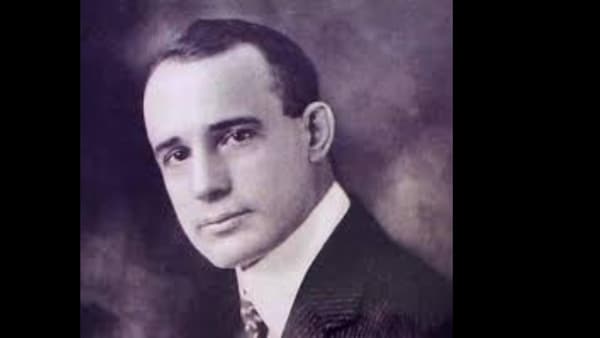
“When you begin to think and grow rich, you will observe that riches begin with a state of mind, with definiteness of purpose, with little or no hard work.”
— Napoleon Hill
This widely circulated line, drawn from Think and Grow Rich, is often quoted in a shortened form and continues to spark discussion about the true nature of success.
What Hill Really Meant
At first reading, the phrase “little or no hard work” sounds unrealistic. However, Hill’s broader argument is more nuanced. He challenges the belief that comes only from long, exhausting effort. Instead, he emphasises that clarity of purpose and the right mindset must come before effort becomes meaningful.
Hill suggests that hard work without direction often leads to wasted energy. In contrast, a clearly defined goal transforms effort into productive action. In simple terms, success begins in the mind—through belief, focus, and intention—before it shows up in results.
Why this idea feels relevant today
Hill’s philosophy aligns closely with modern Today’s careers demand adaptability, skill-building, and clear direction rather than just long hours. Studies by global organisations highlight that a significant share of core job skills will change in the coming years, making focused learning and purposeful growth more important than ever.
Similarly, workplace reports emphasise that professionals who actively define their career direction and continuously build skills are more likely to stay relevant. This reinforces Hill’s idea: effort matters, but only when it is aimed at the right target.
The Real Takeaway
Together, Hill’s ideas point to a balanced truth:
- Success starts with clarity and belief
- It grows through planning and action
- It sustains through persistence and adaptation
Who was Napoleon Hill?
Born in 1883 in Wise County, – Napoleon Hill – began writing as a teenager, and grew into one of the most popular authors of self-help books.
He is best known for ‘The Law of Success’ and ‘Think and Grow Rich’ – works that helped define the language of ambition, self-belief, and purposeful achievement for generations of readers.
Macmillan notes that Hill spent decades writing, teaching, and lecturing on what he described as the principles of success, and that his work continued to circulate long after his death in 1970.