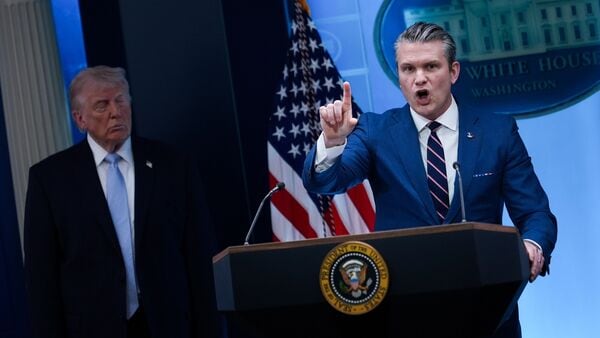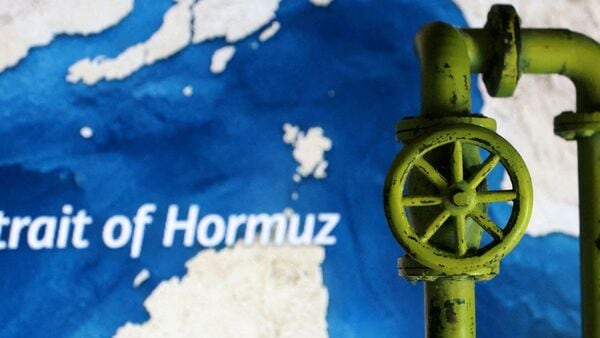
Donald Trump on April 9 said that Iran is doing a “very poor job” of managing Strait of Hormuz and warned against reports that Tehran may be charging fees to oil tankers passing through the critical route.
“Iran is doing a very poor job, dishonorable some would say, of allowing Oil to go through the ,” he wrote on his social media site.
“That is not the agreement we have!”
The post came after he noted, “There are reports that Iran is charging fees to tankers going through the Hormuz Strait – They better not be and, if they are, , they better stop now!
This comes days ahead of the top US and Iranian officials are due to gather in Islamabad on April 10 for crucial peace talks that could potentially the Middle East conflict.
The White House supports reopening the strait as part of the ceasefire deal, but says that opposes Iran’s military, which continues to control the waterway, from seeking to raise revenue by charging tolls on passing ships. Tehran, meanwhile, cited Israel’s ongoing attacks on Lebanon, which included the heaviest strikes of the war on Wednesday, as a key sticking point.
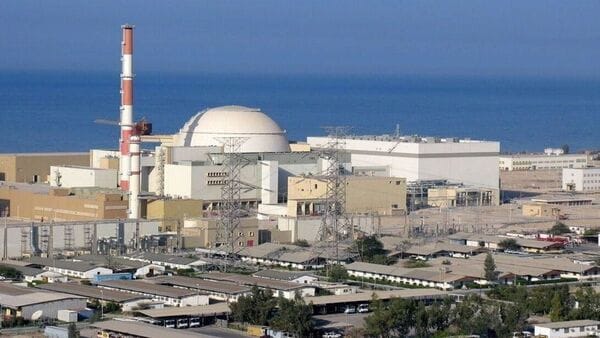
Iran released on Wednesday a 10-point proposal for a settlement to the war that included maintaining control of the Strait of Hormuz, acceptance of Iran’s right to nuclear enrichment, lifting of sanctions and ending the war, including against Hezbollah in Lebanon.
In the first 24 hours of the ceasefire, which Trump announced on Tuesday, just a single oil products tanker and five dry bulk carriers sailed through the strait. The strait typically saw well over 100 ships passing through it daily in peacetime.
Strait of Hormuz traffic subdued despite ceasefire
Meanwhile, ship-tracking data showed, underlining Iran’s tight grip over the Strait of Hormuz, a Botswana-flagged LNG tanker, Nidi, tried to leave the via a route directed by the Revolutionary Guard, but suddenly turned around and headed back early Friday.
On Thursday, four tankers and three bulk carriers crossed through the Strait of Hormuz, bringing the total number of ships passing through since the ceasefire to at least 12, according to the data firm Kpler. However, other vessels that were not not transmitting their locations may have also made the passage unnoticed.
(With inputs from agencies)