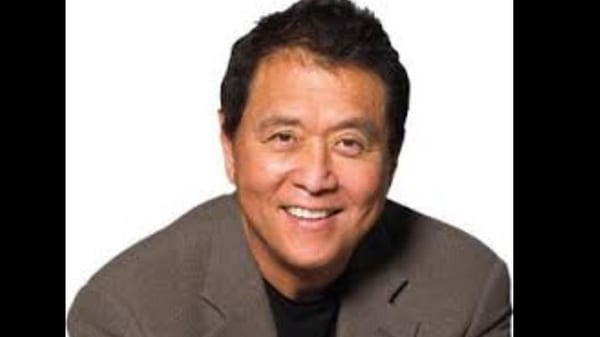
“Financial struggle is often the result of people working all their lives for someone else.” This eye-opening quote by highlights the importance of working for and on oneself, rather than working for someone else.
What does the quote mean?
Kiyosaki’s words do not indicate that employment is dishonourable. It simply means that employment alone can rarely create . His words suggest that while a paycheck can solve a person’s immediate needs, it does not build durable wealth unless some of that income is converted into assets that can produce cash flow.
In a business context, Kiyosaki’s words highlight dependence. If your income stops when your labour stops, you might still be earning, but you are not structurally free yet. He is encouraging people to think and move beyond salaries and toward ownership, investing, and systems that keep generating value whether or not they are personally on the clock.
The underlying idea here is of leverage. Wealth, according to Kiyosaki, comes less from working harder forever and more from building or purchasing assets that compound over time.
Why does this quote resonate?
The quote resonates deeply because it attacks a middle-class assumption that a stable job, by itself, is equivalent to financial security. It feels relevant in today’s time since financial literacy remains weak even as financial decisions grow more complex. As more and more people are getting into the workforce every day, they realise that living paycheck to paycheck will not be able to provide them with the financial freedom they have been living for. While money acts as a motivator for many people, the scarcity or shortage of it by the end of every month can also become a source of worry for many.
How can you implement this?
Track your money flow: Start small by tracking your income for 30 days. This will help you to understand how much of this is funding your lifestyle and how much is helping you to build assets.
Pay yourself first: Every month, set up an automatic monthly transfer to an investment, business reserve, or income-generating fund before spending anything else.
Build financial skills: Try to learn one core money skill. It could be anything from cash flow, tax basics, investing, debt, or asset analysis. This will help you to shift your dependence away from salary growth only.
Create passive income: Build at least one stream of income not tied directly to your hours, such as dividends, rent, royalties, or a scalable side business.
Review purchases: Every major purchase that you make, think about it first. Ask yourself if this puts money in your pocket or takes money out of it?
Reduce income dependency: Learn to reduce your dependence on one employer by boosting your asset base, emergency savings, and financial decision-making every month.
Who is Robert Kiyosaki?
Born in Hilo, Hawaii, Kiyosaki grew up in a family that valued education. He is the author of “.” Kiyosaki says his thinking about money was shaped early by the contrast between his highly educated father. He studied at the US Merchant Marine Academy, earned a commission in the US Marine Corps, later worked at Xerox, and credits that sales experience with sharpening his entrepreneurial instincts. His major turning point came in 1997 with Rich Dad Poor Dad, after which he co-founded The Rich Dad Company with Kim Kiyosaki and built a global financial-education brand around assets, passive income, and .