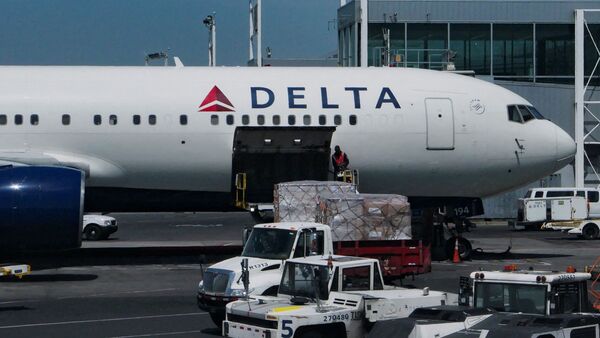
Delta Air Lines said on Tuesday that it will increase fees for checked bags on domestic and some short-haul international routes, as airlines try to cope with rising jet fuel costs linked to tensions in the Middle East.
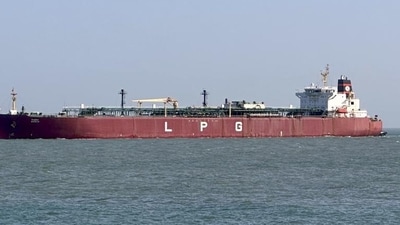
Airlines around the world are facing much higher fuel prices, which have increased operating costs and reduced profits. This comes after tensions in the disrupted the , an important route for oil shipments.
Delta said that for bookings made on or after Wednesday, fees for the first and second checked bags will go up by $10 each, while the cost of a third checked bag will increase by $50.
This means the first checked bag will cost $45, the second $55, and the third $200.
Delta, unlike some of its rivals, has a buffer in the form of a subsidiary-owned refinery in Pennsylvania with a capacity of about 190,000 barrels per day that supplies nearly three-quarters of its fuel needs, though it remains exposed to spikes in crude oil prices.
Checked benefits tied to Delta’s frequent-flyer programs, premium fares and co-branded credit cards will remain unchanged.
Delta also said there will be no changes to baggage fees on long-haul international routes.
Last week, JetBlue also increased its checked bag fees by up to $9.
For most domestic economy passengers, the first checked bag now costs $39, up from $35. During busy travel periods such as April spring breaks, major holidays and summer, the fee will rise to $49 from $40, the airline said.
The airline, which operates its main terminal at New York’s John F. Kennedy International Airport, said in an emailed statement to The Associated Press on Tuesday that charging more for optional services “used by select customers” helps keep ticket prices competitive.
“While we recognize that fee increases are never ideal, we take careful consideration to ensure these changes are implemented only when necessary,” JetBlue said.
Airlines around the world are facing rising costs as jet fuel prices have increased by more than 85% since the Iran war began on February 28. The conflict has reduced ship movement through the Strait of Hormuz, a key route for about one-fifth of the world’s oil supply.
At the same time, airspace closures in parts of the Middle East have forced some airlines to take longer routes, using more fuel and adding to costs.
In response, several non-US airlines have already added fuel charges or increased ticket prices.
(With inputs from agencies)