Iran has rejected a ceasefire proposal amid the ongoing war in West Asia, instead putting forward a 10-point plan to end the conflict with the and Israel, according to Iranian state media
“In this response, set out in ten points, Iran has rejected a ceasefire and insists on the need for a definitive end to the conflict,” Iran’s official (IRNA) news agency said.
The rejection was conveyed by Pakistan, which has been acting as a primary intermediary in the war, ahead of (US time) deadline to include all power plants and bridges as his ultimatum to make a deal ticked closer.
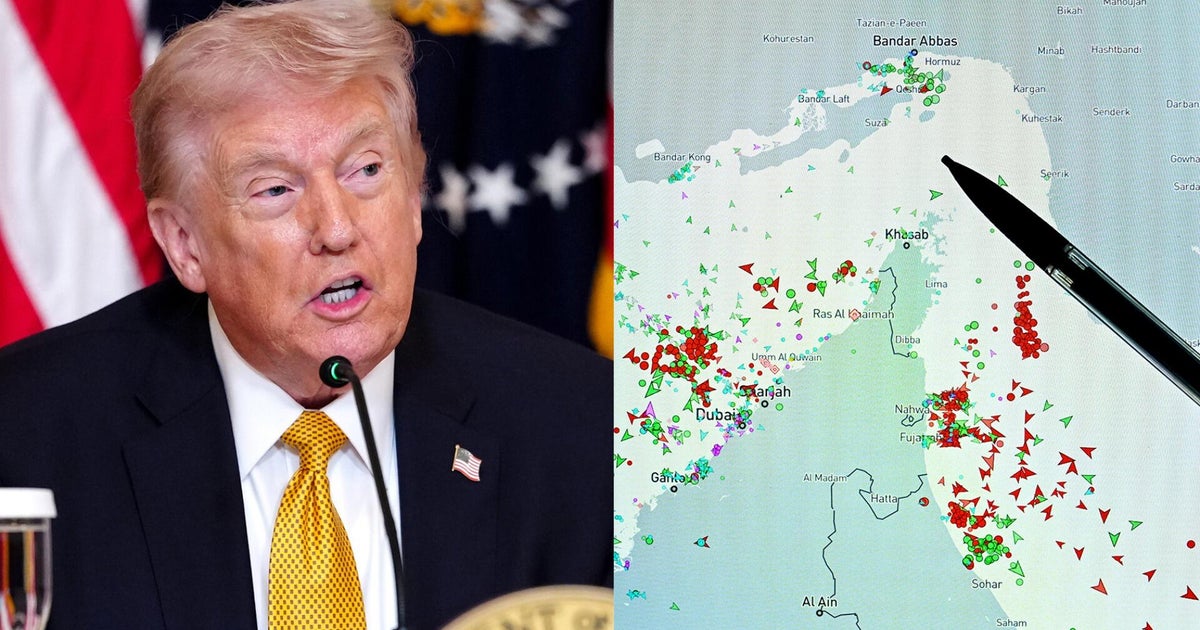
“The entire country can be taken out in one night, and that night might be tomorrow night,” Trump said. He suggested that his Tuesday 8 pm ET deadline (5.30 AM, 8 April (IST) was final. said he had already given Iran enough extensions.
Earlier, such deadlines were issued on 21 March (48 hours), 23 March (postponed by 5 days), 26 March (postponed for 10 days) and 4 April (48 hours).
The US has told Iran to open the crucial to all shipping traffic or see power plants and bridges wiped out, sparking warnings about possible war crimes.
Iran no longer trusts the Trump administration
In response, Tehran has conveyed its own 10-point plan to end the fighting through Pakistan, a key mediator, Iran’s state-run IRNA news agency said.
“We only accept an end of the war with guarantees that we won’t be attacked again,” Mojtaba Ferdousi Pour, head of Iran’s diplomatic mission in Cairo, told The Associated Press. Ferdousi said Iran no longer trusts the Trump administration after the US bombed the Islamic Republic twice during previous rounds of talks.
Two senior Iranian officials, speaking on the condition of anonymity to discuss the sensitive negotiations, told NYT that the 10-point proposal included a guarantee that Iran would not be attacked again, an end to in Lebanon and the lifting of all sanctions.
In return, Iran would lift its de facto blockade of the key shipping route through the Strait of Hormuz. Iran would also impose a roughly $2 million fee per ship, to be split with Oman, which sits across the strait, the Times reported.
“Iran would use its share of the proceeds to reconstruct infrastructure destroyed by American and Israeli attacks, rather than demand direct compensation, according to the plan,” it said.
What’s inside Iran’s 10-point response?
The response includes demands for an end to all conflicts in the region, a protocol governing safe passage through the Strait of Hormuz, the lifting of sanctions and a commitment to reconstruction, IRNA reported.
The IRNA claimed the text was presented in light of recent developments in Iran’s western and central regions and the unsuccessful outcome of a US heliborne operation, with US President Donald Trump extending a previously set deadline again and adjusting earlier threats.
Egyptian, Pakistani and Turkish mediators had sent Iranian and US Mideast envoy Steve Witkoff a proposal calling for the ceasefire and the reopening of the Strait of Hormuz, two Mideast officials told news agency AP.
While the state media did not publish the entire proposal, it said it included a protocol for safe passage through the Strait of Hormuz. It also outlined Iranian demands for sanctions to be lifted, reconstruction of damaged infrastructure and an end to regional hostilities, the reported.
US 15-point proposal
On 24 March, the US had sent its own 15-point proposal to end the war with Iran to Pakistan for delivery to Tehran. Iran rejected it and sent a list of counterproposals, some of which were reiterated in its proposal on Monday. A spokesman for Iran’s foreign ministry, Esmail Baghaei, said on Monday at a news conference that the earlier American proposal conveyed through intermediaries was “extremely excessive, unusual and illogical.”
It’s been six weeks since the West Asia war began with joint US-Israeli attacks on Iran. Tensions escalated following the killing of 86-year-old Iran’s Supreme Leader, , in the military strikes on 28 February.
In retaliation, Iran targeted Israeli and US assets across several , causing further disruptions to the waterway and impacting international energy markets as well as global economic stability, disrupting trade routes through the Strait of Hormuz.
Iran’s 10-point plan based on Iranian media
1- Guarantee that Iran will not be attacked again.
2-Permanent end to the war, not just a ceasefire.
3- End to Israeli strikes in Lebanon.
4- Lifting of all US sanctions on Iran.
5- End to all regional fighting against Iranian allies.
6- In return, Iran would open the Strait of Hormuz.
7- Iran would impose a Hormuz fee of $2 million per ship.
8- Iran would split these fees with Oman.
9- Iran to provide rules for safe passage through Hormuz.
10- Iran to use Hormuz fees for reconstruction instead of reparations.
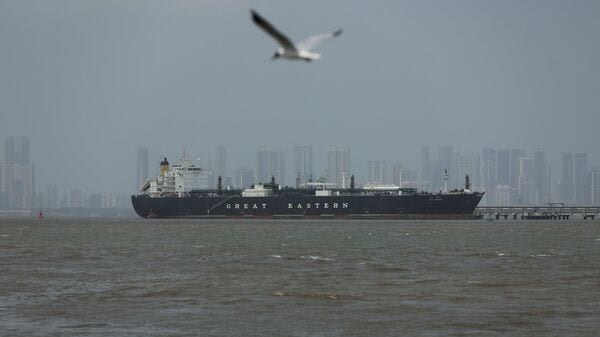
The fighting has left thousands dead, most of them in Iran and Lebanon, and brought vessel traffic through Hormuz — through which about a fifth of the world’s oil and exports normally flow — to a near standstill.
More than 1,900 people have been killed in Iran since the war began, but the government has not updated the toll for days, news agencies reported. More than 1,400 people have been killed in Lebanon, and more than 1 million people have been displaced. Eleven Israeli soldiers have died there.
In Gulf Arab states and the West Bank, more than two dozen people have died, while 23 have been reported dead in Israel, and 13 have been killed.
(With agency inputs)