Internet blackout in Iran, which was first imposed when the United States and Israel launched a joint operation on Tehran, has now entered its fifth week to be the longest nationwide shutdown on record, NetBlocks said in a post on X on Sunday, April 5.
In a tweet, NetBlocks said, “Iran’s internet blackout is now the longest nation-scale internet shutdown on record in any country, exceeding all other comparable incidents in severity having entered its 37th consecutive day after 864 hours.”
It said, “Exactly five weeks ago on Saturday 28 February, The measure remains in place, entering day 36 after 840 hours, isolating the general public as authorities explore ways to give chosen users access via a tiered whitelisting system.”
In a separate tweet, the monitor pointed out that some countries have faced intermittent or region-specific internet shutdowns over extended periods, whereas North Korea has never been connected to the global internet at all.
“Iran is the first country to have had internet connectivity and then subsequently lost it by reverting to a national network, while others such as North Korea have skipped the connected phase and been internationally isolated for longer,” it said.
NetBlocks further added, “Intermittent digital shutdown incidents such as Myanmar, and those experiencing restoration after several weeks like Sudan, and sub-national incidents like Kashmir and Tigray have also been recorded over a longer period.”
“Wartime damage to infrastructure in countries at war like Ukraine and Gaza has also resulted in extended reductions in connectivity due to damaged infrastructure, resulting in an observable reduction in users though no war is known to have sent an entire country offline.”
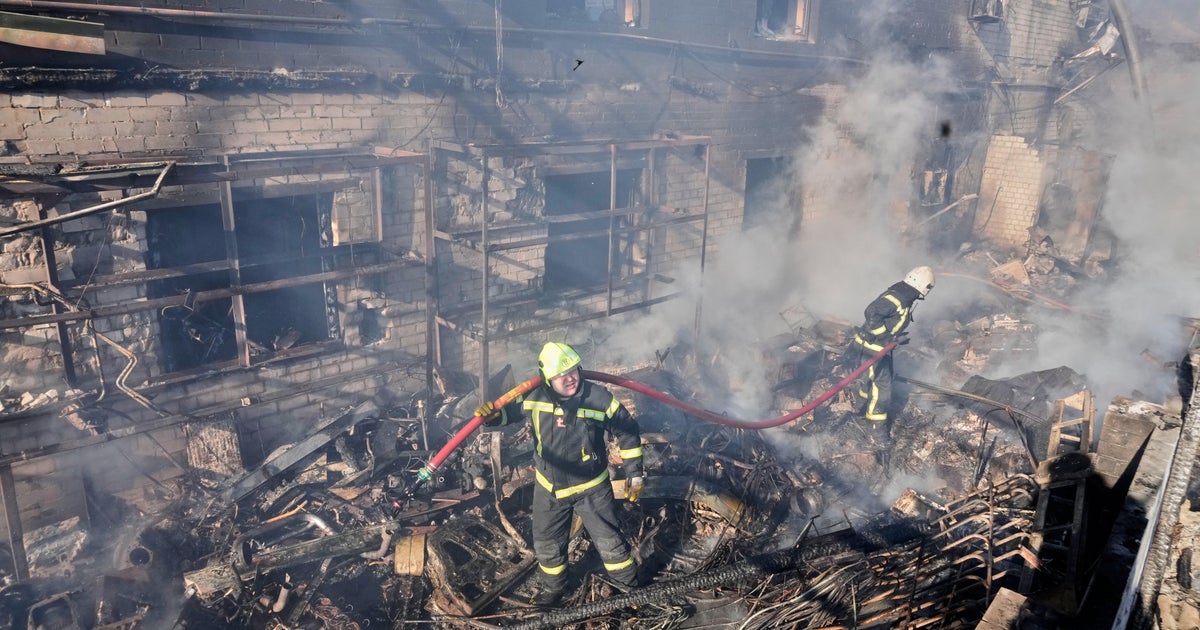
For the past five weeks, the and drone attacks. Tehran, too, has responded to the attacks by targeting Israel and the US facilities in neighbouring countries in the Gulf. Since then, Tehran has seen an internet blackout in the country.
While international connectivity and domestic services remain restricted, the authorities in Iran have also imposed a control over alternative access routes, including satellite connections and virtual private networks (VPNs), leaving citizens with limited or no reliable means of communication.
Underscoring the human cost of the internet blackout in the time of war, NetBlocks had urged the authorities to remove the restrictions. “With international connectivity cut and domestic service limited, many families are unable to contact loved ones when it’s most needed,” it said.
The blackout comes with no clear signs of de-escalation in the conflict, and there is also no formal response from the Iranian regime regarding the restoration of full internet access.
(With agency inputs)