Russia, on Saturday, declared that it will not seek permission from other countries to supply its oil, stressing that such decisions are a matter of national sovereignty. The comments were posted via the official X account of the Russian Embassy in South Africa, which quoted Dmitry Birichevsky, Director of the Department for Economic Cooperation at Russia’s Ministry of Foreign Affairs.
Birichevsky, said that “Russia does NOT intend to seek permission from other countries to SUPPLY its oil.”
“Oil supply issues are a matter of national sovereignty, such statements from other states are met with bewilderment,” read the post on X (formerly Twitter).
US’ 30-day waiver for India
Russia’s comments come days after US Treasury Secretary Scott Bessent said Washington would allow a , offering temporary relief to global supply concerns.
US’ waiver for India came amid volatile energy markets triggered by supply disruptions around the Strait of Hormuz due to the ongoing West Asia conflict.
A notification by Office Of Foreign Assets Control (OFAC) of the US Department of Treasury issued that time said the relaxation was allowed for Russian-origin crude oil loaded on vessels on or before 12.01 AM eastern standard time (10.31 AM Indian Standard Time), 5 March 2026.
Earlier, US President Donald Trump – while revoking 25% additional tariff on India – had said that a US government panel will monitor whether India resumes import of Russian oil, with the tariff liable to be reimposed if such purchases restart.
Oil rallied Thursday after Trump – which could disrupt energy flows through the vital Strait of Hormuz.
Israel-US-Iran war
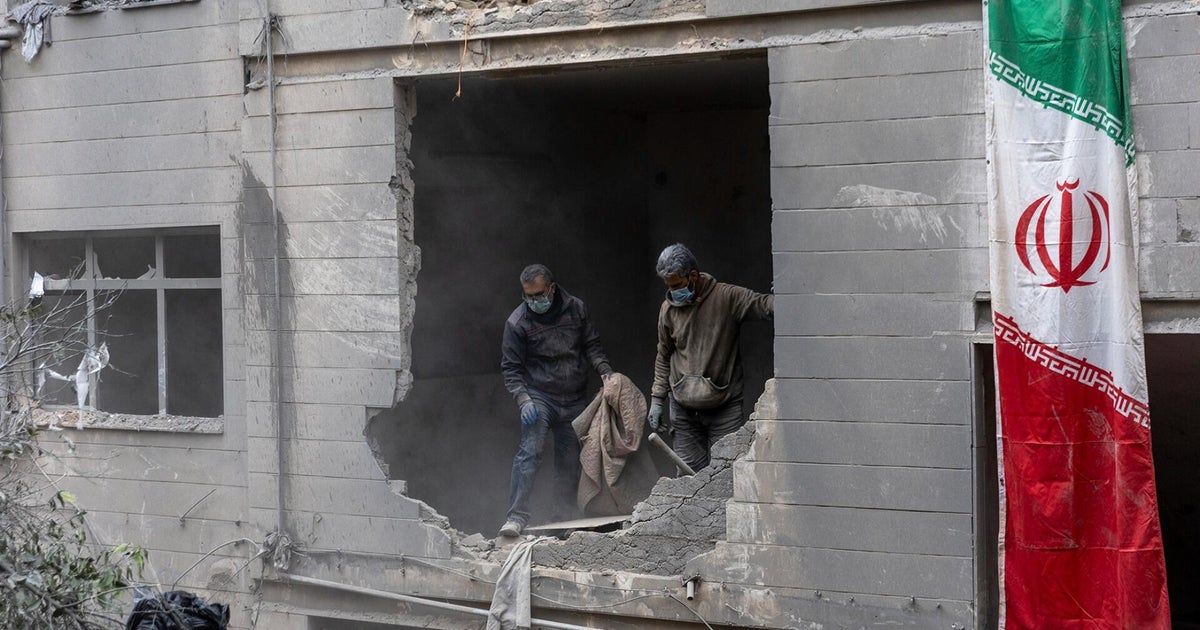
Iran launched a wave of retaliatory strikes after US, Israel jointly attacked the Islamic Republic on Saturday, 28 February. Explosions were heard across Abu Dhabi, Dubai – among other key Gulf hubs – which are also home to US military bases.
Iran reportedly attacked ships in the Strait of Hormuz – a key sea route through which India gets 85-90% of its LPG imports from West Asian nations, including Saudi Arabia and Qatar.
Described by the US Energy Information Administration (EIA) as one of the world’s most important oil chokepoints, the strait handles about 20 million barrels of oil per day — roughly one-fifth of global consumption — and around one-fifth of global LNG trade, mainly from Qatar.
Following the US waiver, buyers had been quick to pick up Russian crude shipments, but remain far more cautious when it comes to Iranian oil, Bloomberg reported earlier.