The has deferred a vote scheduled for Friday on authorizing the use of “defensive” force to secure shipping in the Strait of Hormuz against Iranian threats, according to the official programme.
The 15-member body was set to vote Friday morning on a draft resolution brought by Bahrain, but by Thursday night the schedule had shifted.
Why was the vote postponed?
Sources told AFP the vote has been postponed because the United Nations observes Good Friday as a public holiday. This is despite the date being known when the vote was initially scheduled.
When is the vote expected to take place?
No new date has been given for voting on the draft. However, it is now expected to be held on Saturday.
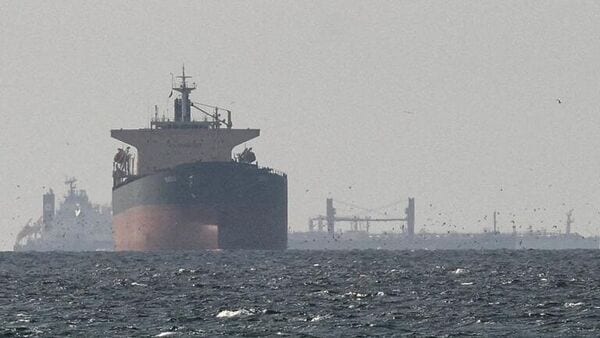
The proposal for a vote came amid rising tensions over maritime security in the conflict in West Asia, which has led to severe disruption in energy trade due to the virtual blockage of the Strait of Hormuz, a critical chokepoint for global energy trade.
, which currently holds the rotating presidency of the Security Council and has been under fire from Iran amid the conflict, urged an international response to threats against global navigation routes.
Proposing the meet earlier, Abdullatif bin Rashid Al Zayani, the Foreign Minister of Bahrain, during his remarks at the UNSC meeting on Thursday, said, “The Kingdom of Bahrain submitted a draft resolution to your esteemed council on Iran’s unlawful and unjustified attempt to control international navigation in the , placing before the council a draft that requires a decisive response to such actions that are irresponsible and illegitimate. Actions that threaten the interests of nations and peoples around the world.”
Bahrain’s initial draft would have allowed countries “to use all necessary means” — UN language that would include possible military action — “in the Strait of Hormuz, the Gulf and the Gulf of Oman” to secure passage and deter attempts to interfere with navigation.
Russia, China and France, all veto-wielding members of the 15-member Security Council, had expressed opposition to approving the use of force. The final draft eliminates any reference to allowing offensive military action.
The proposal now authorizes countries “to use all defensive means necessary and commensurate with the circumstances in the Strait of Hormuz and adjacent waters” to secure passage and deter attempts to interfere with international navigation “for a period of at least six months.”
(With inputs from agencies)